

It is a near-universal truth that parents will face some resistance when it comes to greens at the dinner table; however, this challenge is far from insurmountable. By adopting a few strategic approaches, parents can shift the narrative, helping their kids see produce not as a punishment, but as a standard, enjoyable part of eating.
The goal is to weave nutritious ingredients seamlessly into the fabric of your child’s daily culinary experience.
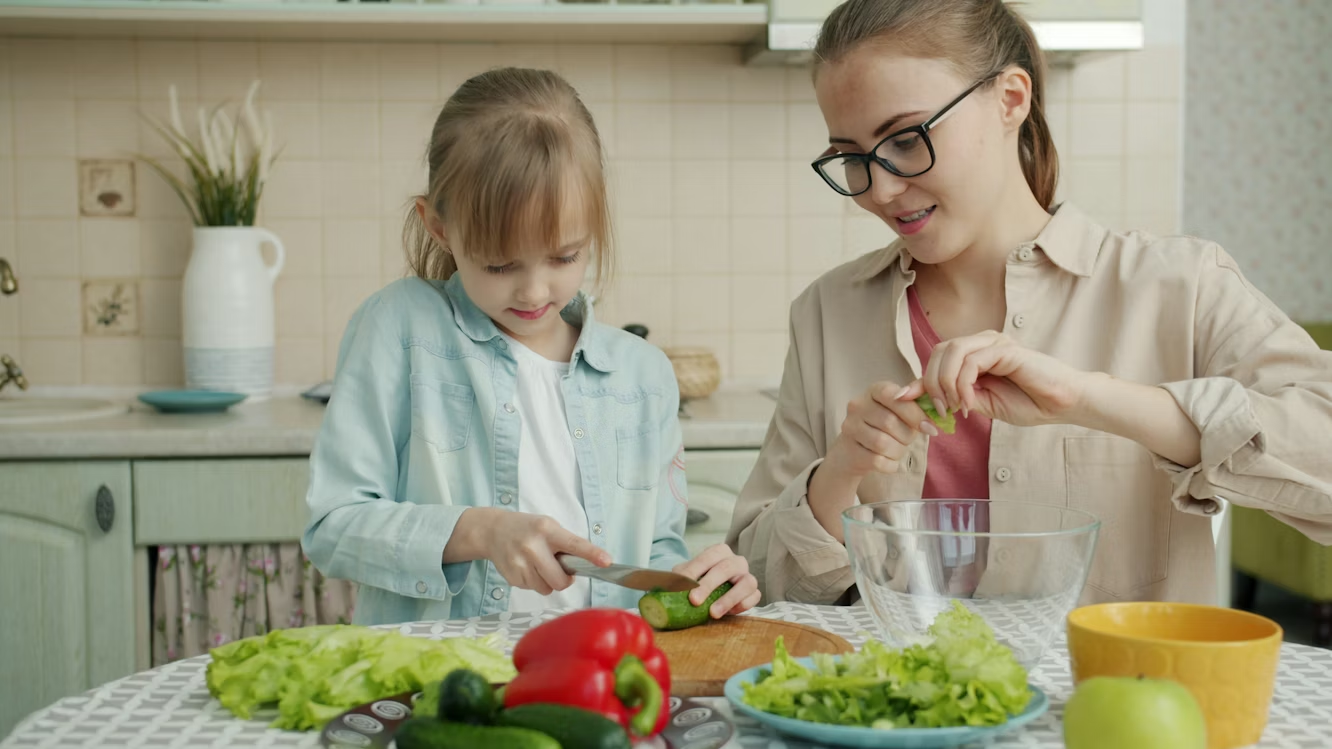
Photo Credit: Unsplash
Make Vegetables Part of Every Meal
Normalization is key. If produce appears on the plate at every single meal, children stop viewing it as an optional add-on and start seeing it as a given. Avoid asking, “Do you want broccoli?” and simply serve it alongside the main dish. No big lectures are required. When children are regularly served vegetables as a non-negotiable staple, acceptance grows naturally, especially when they observe the rest of the family eating them without fuss.
To begin this transition, try swapping out typical starchy sides for colorful alternatives. For instance, trade the usual French fries for seasoned, baked sweet potato wedges.
Hiding Vegetables Works Too – Just Do Not Rely On It
Stealth tactics, like blending spinach into a fruit smoothie or grating zucchini into breakfast muffins, are excellent tools. However, they shouldn’t be your only strategy. The ultimate aim is for children to recognize and appreciate the vegetable itself. Blending or hiding vegetables serves as a great bridge, allowing kids to get used to new taste profiles. Finely minced carrots in a meatball or pureed cauliflower in a white sauce add nutrient density without immediate detection.
Once your child is comfortable with these flavors, start making the ingredients visible. You might move from a fully pureed butternut squash mac and cheese to serving roasted squash cubes right next to their favorite pasta.
Involve Your Child In Preparation
Participation breeds ownership. The more a child helps in the kitchen, the more willing they are to sample the results. Toddlers can help wash produce or tear lettuce leaves. Older kids can measure ingredients, stir, or even help chop. Cultivating a fun, collaborative atmosphere in the kitchen empowers them and demystifies the ingredients they are about to eat.
Flip the Script With Flavor
Plain, boiled vegetables are the quickest way to lose a child’s interest. To make them appealing, cook them properly and pair them with bold, beloved flavors. Roasted Brussels sprouts become candy-like with a touch of maple syrup, while green beans are infinitely better with garlic butter and parmesan.
Better yet? Fold veggies into dishes they already adore. A vibrant stir-fry using this Teriyaki Beef Recipe is the perfect vehicle for snap peas, broccoli florets, and bell peppers. The savory sauce ensures the vegetables are devoured right along with the meat.
Offer, Don’t Force
Coercion rarely results in a love for food. Rather than demanding a clean plate, simply continue to offer the option. Vary the preparation methods to see what sticks. They might reject steamed carrots but love them raw with ranch dip, or roasted until caramelized. Exposure is a numbers game.
Focus on the small wins. If they take one bite today, that is progress. Keep the dining table a pressure-free zone and keep the healthy options coming.
The Long Game
Building healthy habits is about momentum, not magic. Keep introducing new things. Keep experimenting with textures. Most importantly, model the behavior by enjoying your own greens. When mealtime is about joy rather than battle, kids eventually drop their guard. Slowly but surely, vegetables will become just another part of dinner—not the enemy.
Here is to a tastier, healthier journey for the whole family.