
Learn how to bake cake evenly in cheap thin aluminum baking pans with practical methods for level layers, steady heat, and clean release.
Thin aluminum baking pans can heat up quickly, which often leaves cake edges set before the center has caught up. The fix is not expensive bakeware; it is controlling batter depth, insulating the pan where needed, and preparing the surface carefully. These practical methods cover foil supports, parchment lining, batter weighing, and simple heat-management steps that help cakes bake flatter, release cleanly, and stay consistent from pan to pan.
1. Achieving Taller Cakes with Parchment
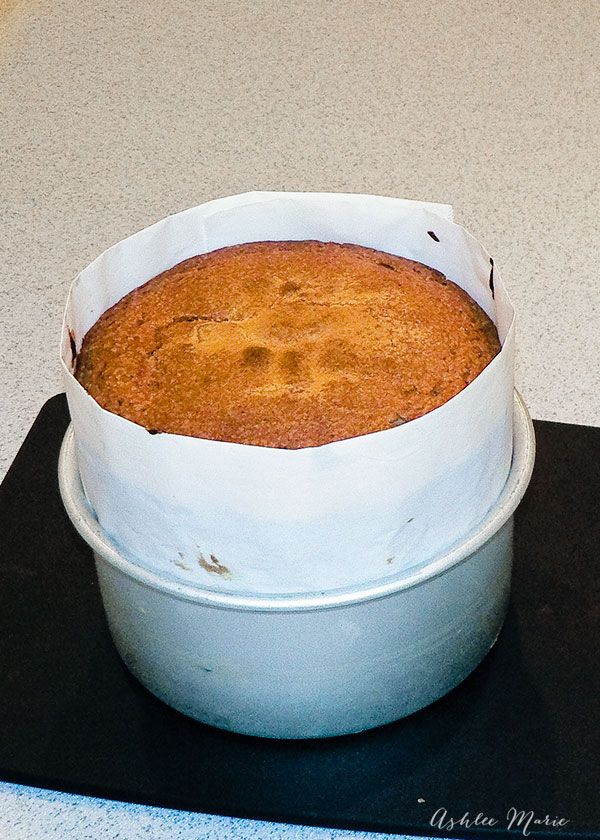
To encourage a cake to rise higher and bake more evenly in a shallow or thin pan, a parchment paper collar is a simple yet effective trick. This technique extends the sides of the pan, providing extra support and allowing the batter to climb without spilling over.
Source: View on Pinterest ↗
2. Improvise a Baking Pan with Foil
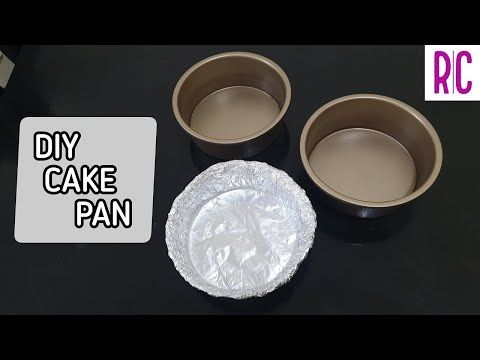
When you don’t have the exact pan size, or if your budget pans need extra reinforcement, foil can be a practical solution. Create a custom mold or line existing pans to help with even heat distribution.
Source: View on Pinterest ↗
3. Insulating Pans for Even Baking
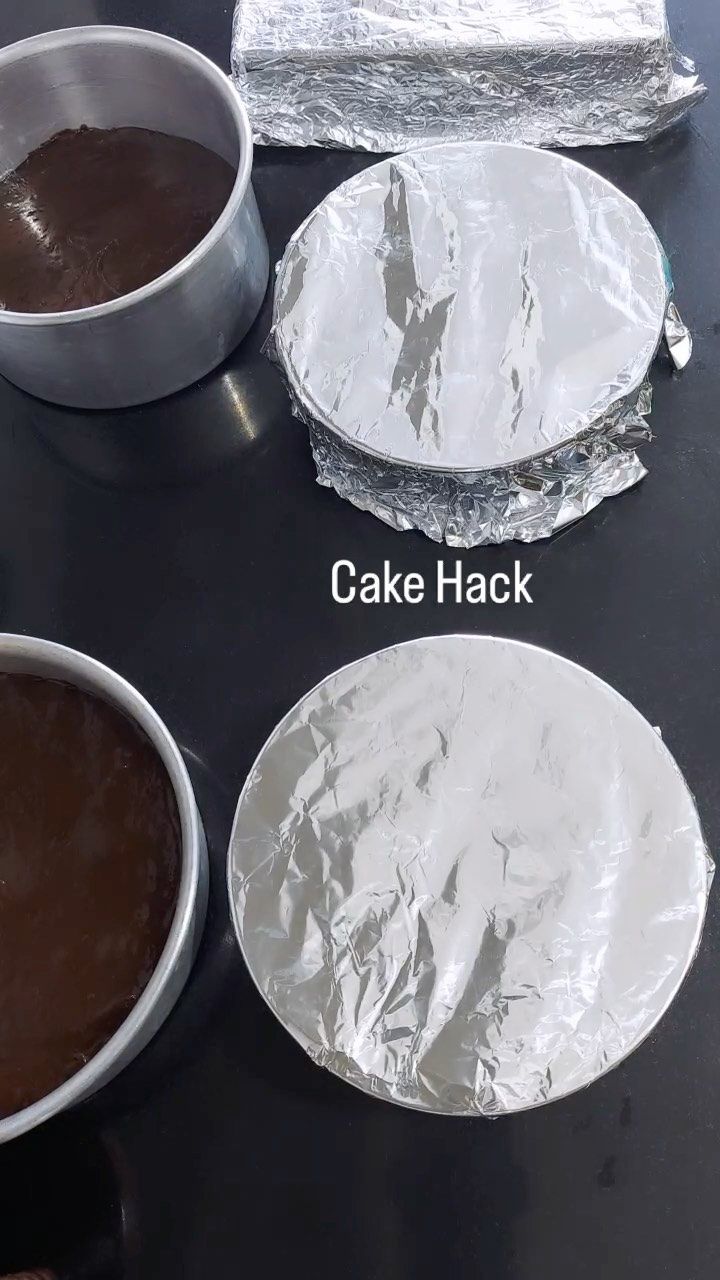
To prevent uneven baking and doming, wrap the sides of thin metal pans with aluminum foil. This simple insulation helps moderate heat distribution, promoting a flatter top and more consistent texture throughout your cake.
Source: View on Pinterest ↗
4. Weighing Batter for Even Baking
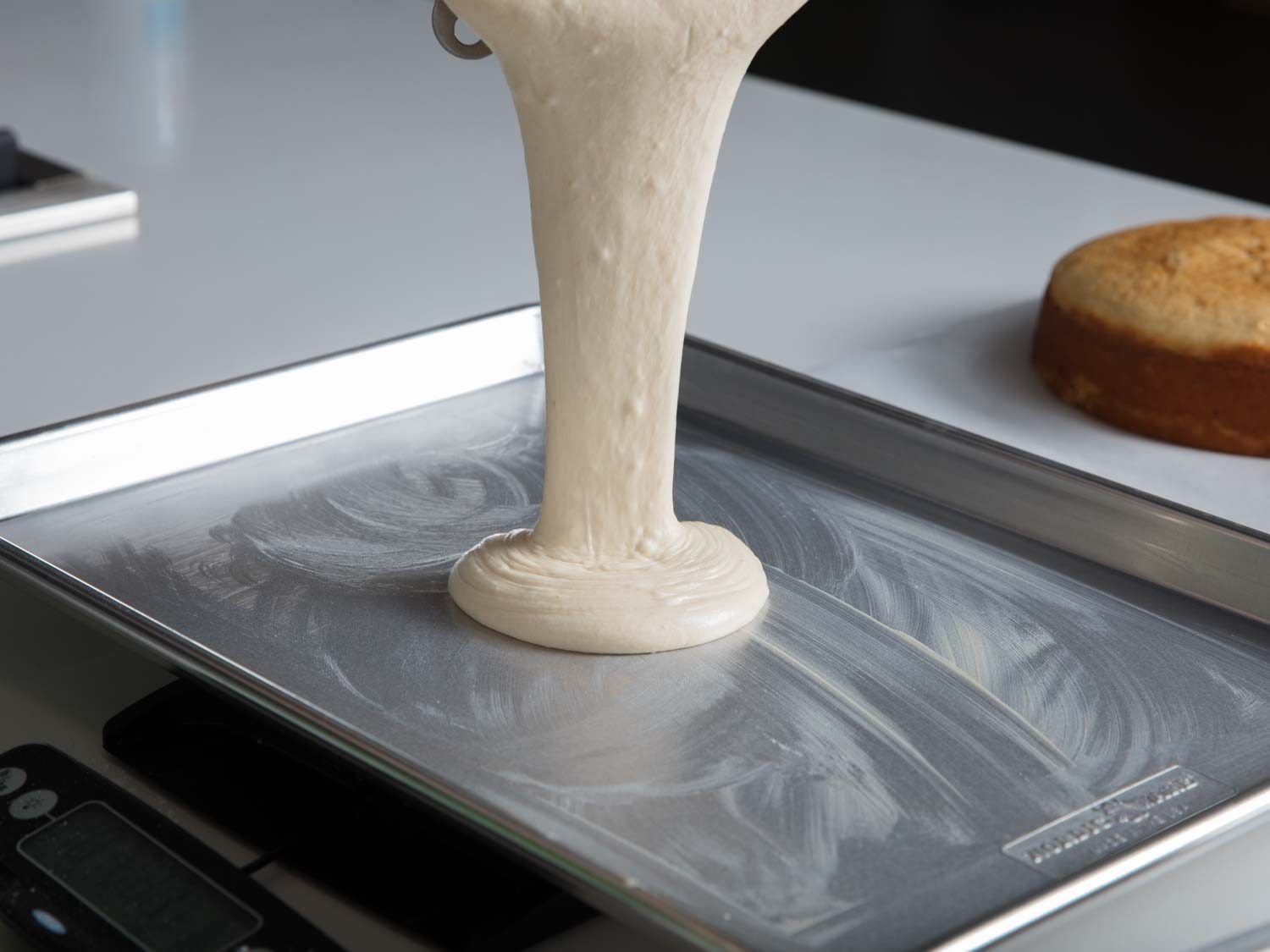
Achieving an even bake, especially in less-than-ideal pans, often comes down to precise batter distribution. Using a kitchen scale to measure out equal portions of batter ensures each pan bakes uniformly.
Source: View on Pinterest ↗
5. Essential Parchment Lining for Round Pans
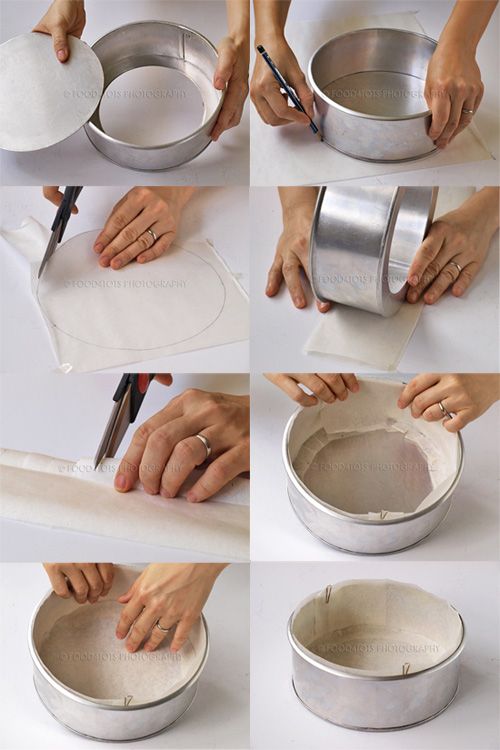
Lining a cake pan correctly prevents sticking and helps distribute heat more evenly, especially crucial with thinner aluminum pans. This step-by-step guide shows how to precisely cut and fit parchment paper for a flawless bake.
Source: View on Pinterest ↗
6. Baking Strips with Aluminum Foil
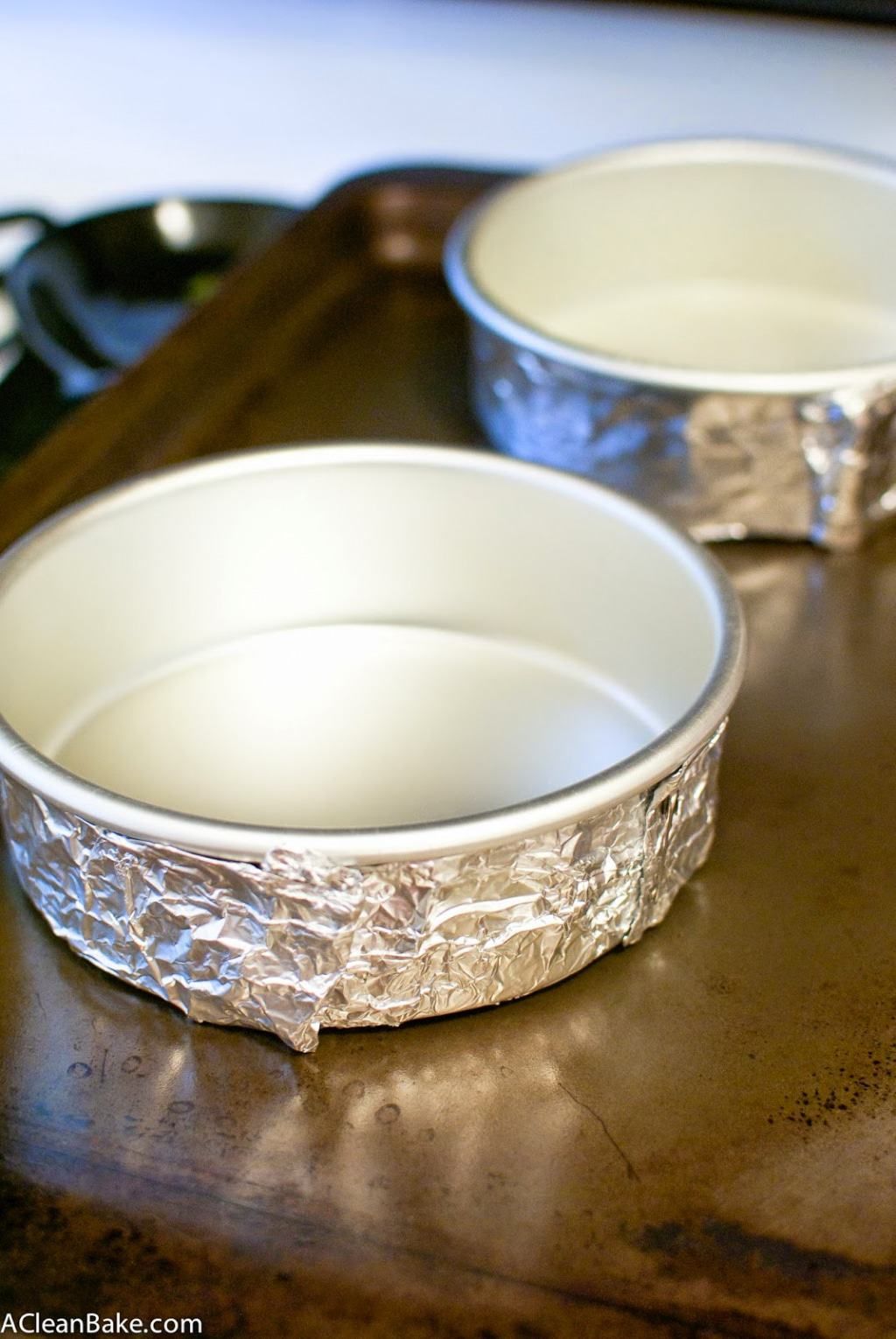
Achieve level cake layers without investing in special equipment. Simply wrap a double layer of aluminum foil around the sides of your thin pans to create an insulating barrier that helps cakes bake more evenly.
Source: View on Pinterest ↗
7. Resize Pans for Smaller Batches
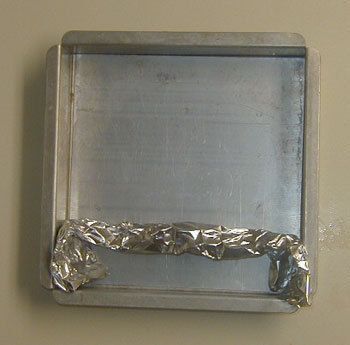
When a recipe calls for a specific pan size and you only have a larger one, foil can create a temporary barrier. This method adapts your existing pans to different volumes, ensuring cakes bake consistently and to the correct thickness, even in thin aluminum.
Source: View on Pinterest ↗
8. Achieving Flat Cakes with Even Baking
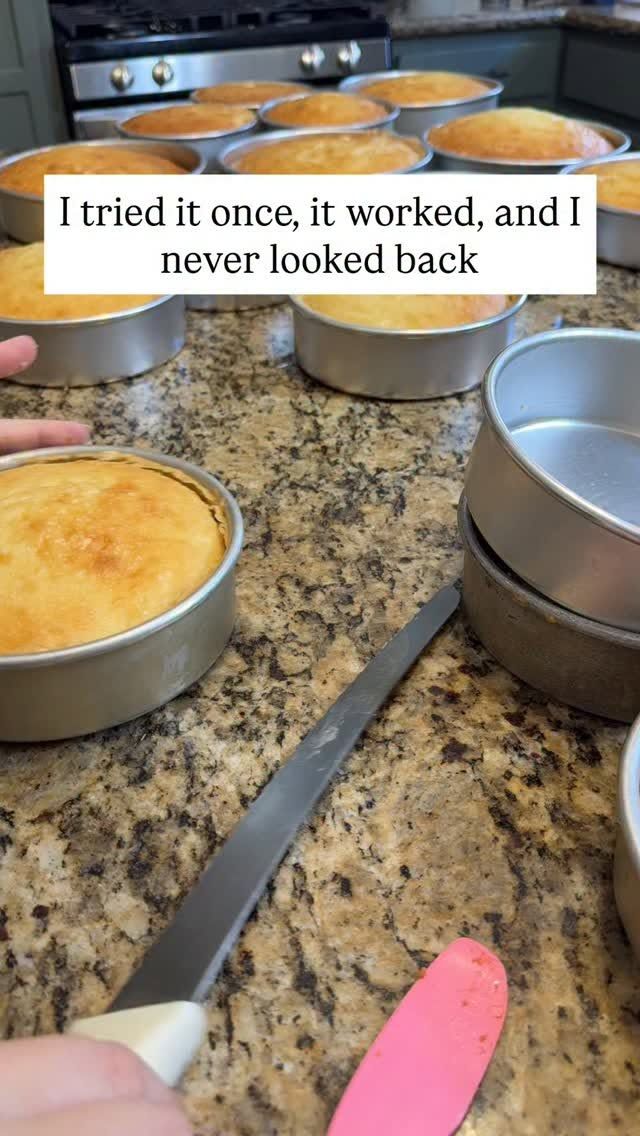
Baking multiple uniform cake layers can be tricky, especially in thinner pans. This visual illustrates how several round cake layers, baked golden brown and flat, are achieved, implying a successful technique for consistent results across many pans.
Source: View on Pinterest ↗
9. Baking Cakes in Aluminum Loaf Pans
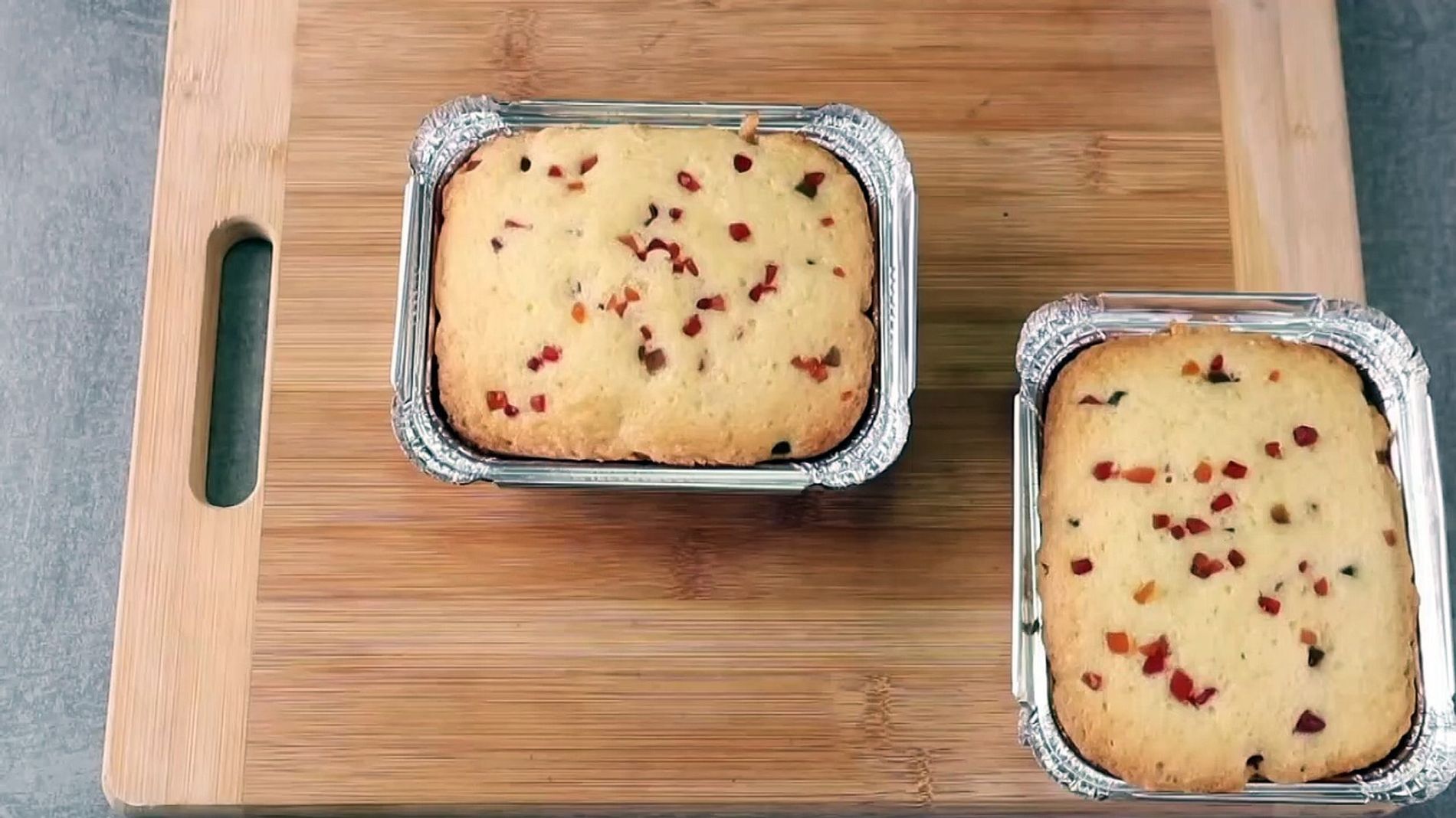
These small cakes, baked in common thin aluminum loaf pans, demonstrate a practical approach for home bakers. Achieving an even bake is possible even with less substantial bakeware, which is a useful technique for many recipes.
Source: View on Pinterest ↗
10. Use Parchment for Easy Cake Release
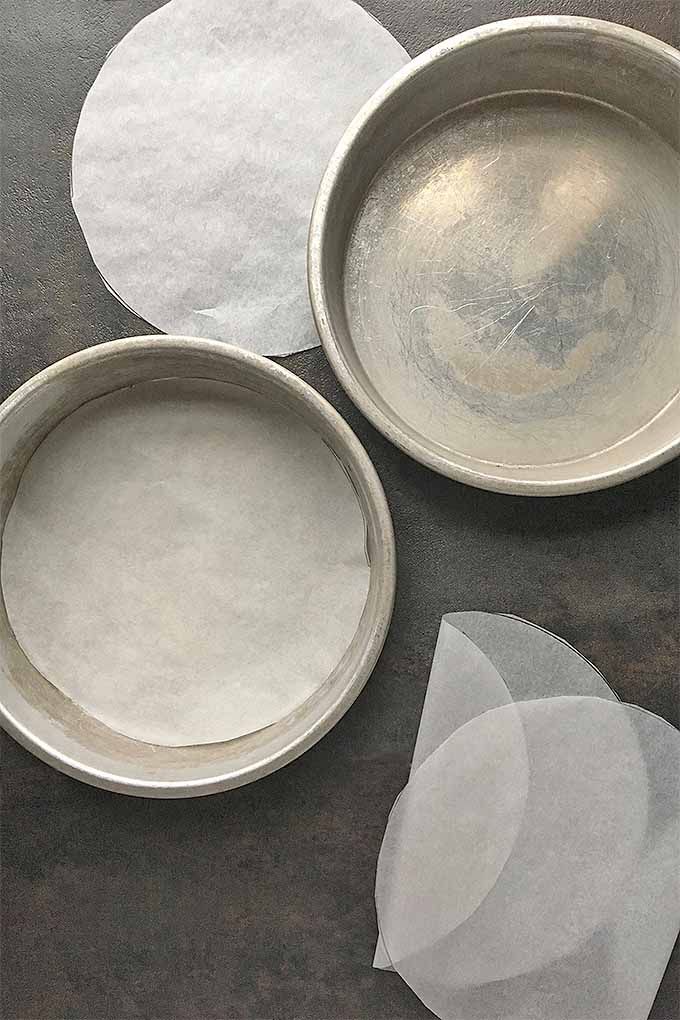
Lining the bottom of your thin baking pan with parchment paper prevents sticking and ensures a clean release every time. This simple step helps maintain the cake’s integrity, especially when working with less robust pans that might otherwise cause tearing.
Source: View on Pinterest ↗
Conclusion
Start with the basics: line the pan, divide batter by weight, and avoid filling layers unevenly. If cakes still dome or overbake at the edges, add a foil insulation wrap around the outside of the pan and compare the results on your next batch.
#cakebaking #cakebakingtips #aluminumpans #thinbakingpans #evenbaking #levelcakes #parchmentpaper #bakinghacks #homebaking #cakepanprep