
Learn how to blind bake tart crust without pie weights using simple kitchen tools for a crisp base that holds up to wet fillings.
Learning how to blind bake tart crust without pie weights gives you a reliable way to keep pastry flat, crisp, and ready for filling. The key is steady, even pressure across the base and up the sides, paired with a liner that protects the dough. These practical methods use common kitchen items, from dried beans to a second pan, so you can choose the approach that suits your tart pan and recipe. Start with chilled dough, fit it snugly into the pan, and avoid stretching the pastry as you shape it.
1. Blind Baking with a Smaller Glass Pie Plate
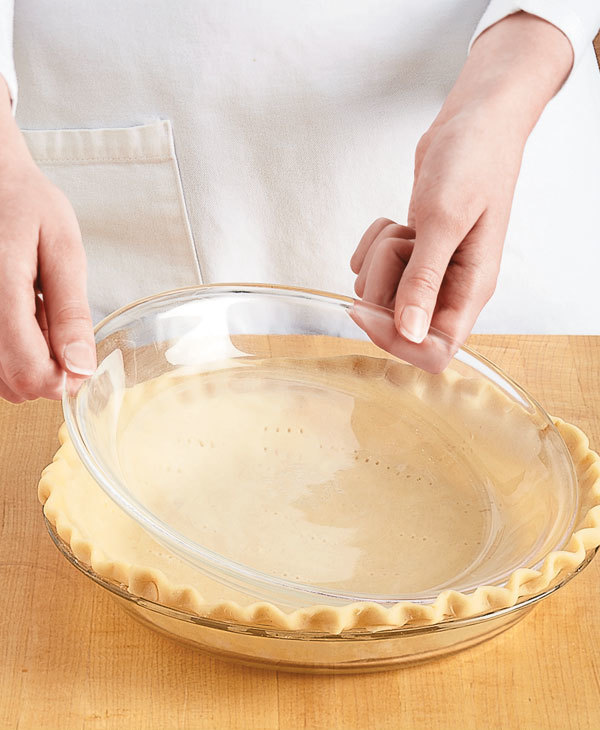
Achieve an evenly baked crust without specialized weights by nesting a second, slightly smaller glass pie dish inside the unbaked shell. This simple method helps keep the crust from puffing up and shrinking during baking.
Source: View on Pinterest ↗
2. Forming the Foil Liner

After fitting the pie crust into the pan, carefully mold a piece of aluminum foil to line the dough. This creates a barrier and a base to hold your chosen blind-baking weights, preventing the crust from shrinking or puffing up during baking.
Source: View on Pinterest ↗
3. Use a Second Pan for Support
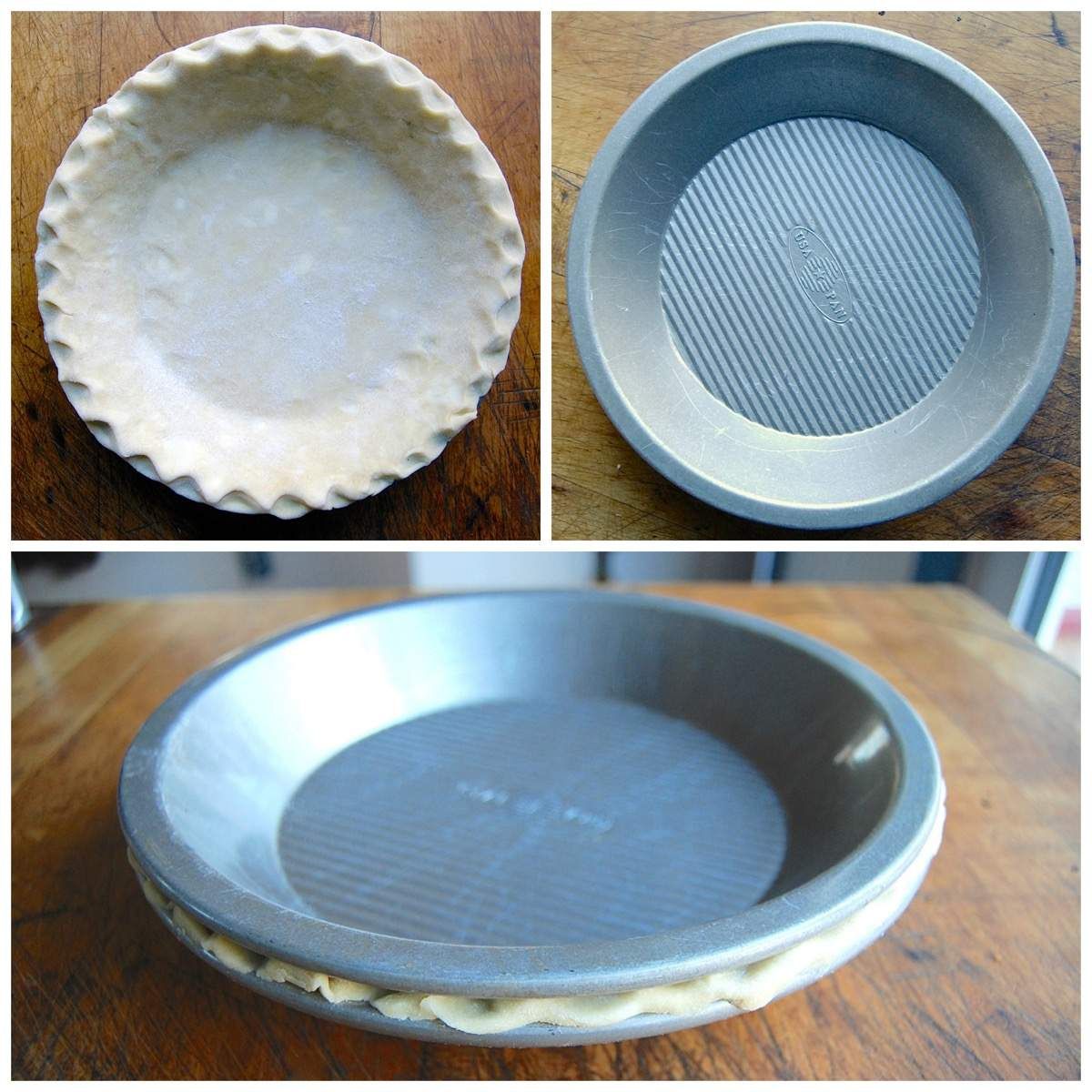
Achieve a perfectly shaped, crisp tart crust by using a second, identical pie pan to weigh down the dough during blind baking. This simple method prevents the sides from slumping and the base from bubbling, ensuring an even bake without special equipment.
Source: View on Pinterest ↗
4. Dried Beans as Pie Weights
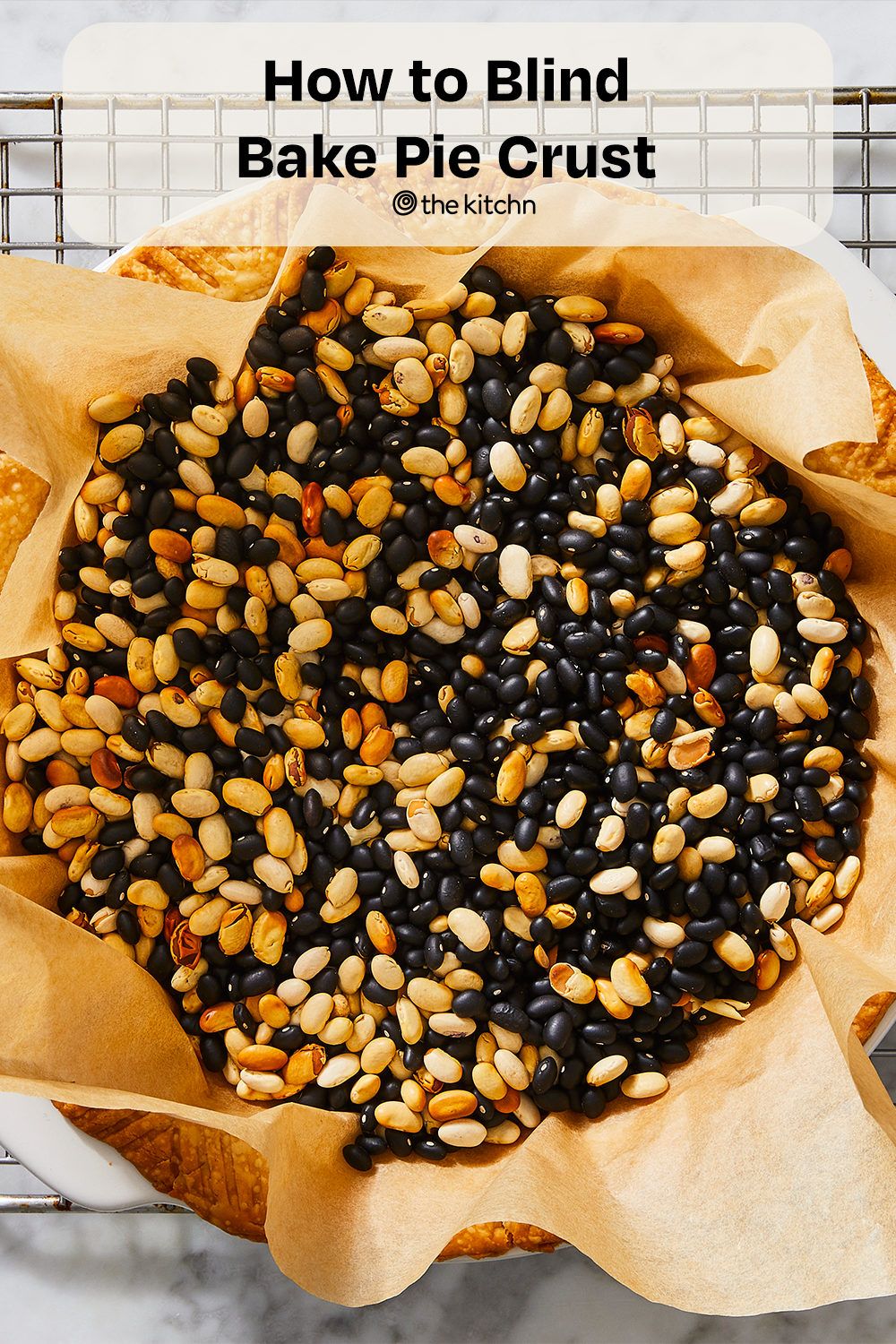
Dried beans are a reliable, reusable option to keep your pastry shell from puffing up while blind baking. Line the crust with parchment paper before filling it completely with the beans to ensure even weight distribution.
Source: View on Pinterest ↗
5. Prepare Your Tart Crust Easily
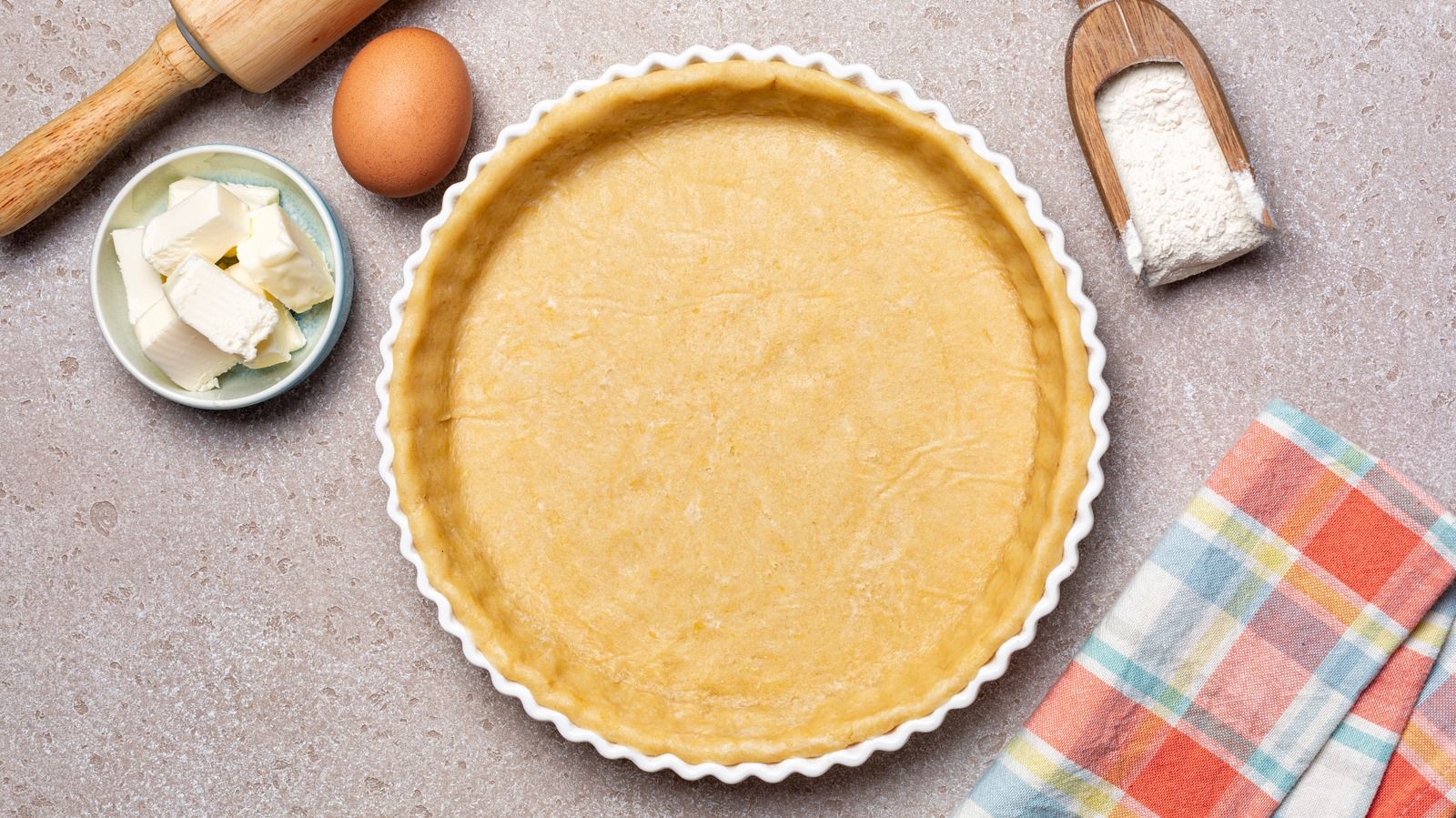
Getting your tart crust ready for blind baking is simpler than you might think. This initial step ensures an even base before adding any fillings, setting the stage for a perfectly cooked tart every time.
Source: View on Pinterest ↗
6. Achieving a Perfectly Baked Crust

A well-blind-baked crust forms the foundation of many delicious tarts and pies. Understanding this crucial technique helps prevent soggy bottoms and ensures your fillings have the ideal crispy base. This step prepares your crust for subsequent baking with wet fillings.
Source: View on Pinterest ↗
Conclusion
Choose a method that applies even pressure without crushing the tart’s edges, then bake until the crust is set before removing the liner or support. For fillings that bake again, finish the shell just until lightly golden; for no-bake or very wet fillings, bake it fully until crisp and evenly colored.
#blindbaking #tartcrust #piecrust #bakingtips #homebaking #pastrytips #tartrecipe #pieweights #bakingbasics #fromscratchbaking