
Build a sourdough starter feeding schedule for warm humid climates with practical ratios, timing cues, and ways to slow rapid fermentation.
A sourdough starter feeding schedule for warm humid climates needs more than a standard once-a-day routine. Heat speeds fermentation, so a starter can peak, collapse, and turn overly sour before the next planned feeding. These seven guides focus on the signals that matter: rise, bubbles, consistency, and feeding ratios. Use them to adjust flour and water amounts, choose a schedule that matches your kitchen, and keep your culture active without rushing it.
1. Essential Sourdough Feeding Basics
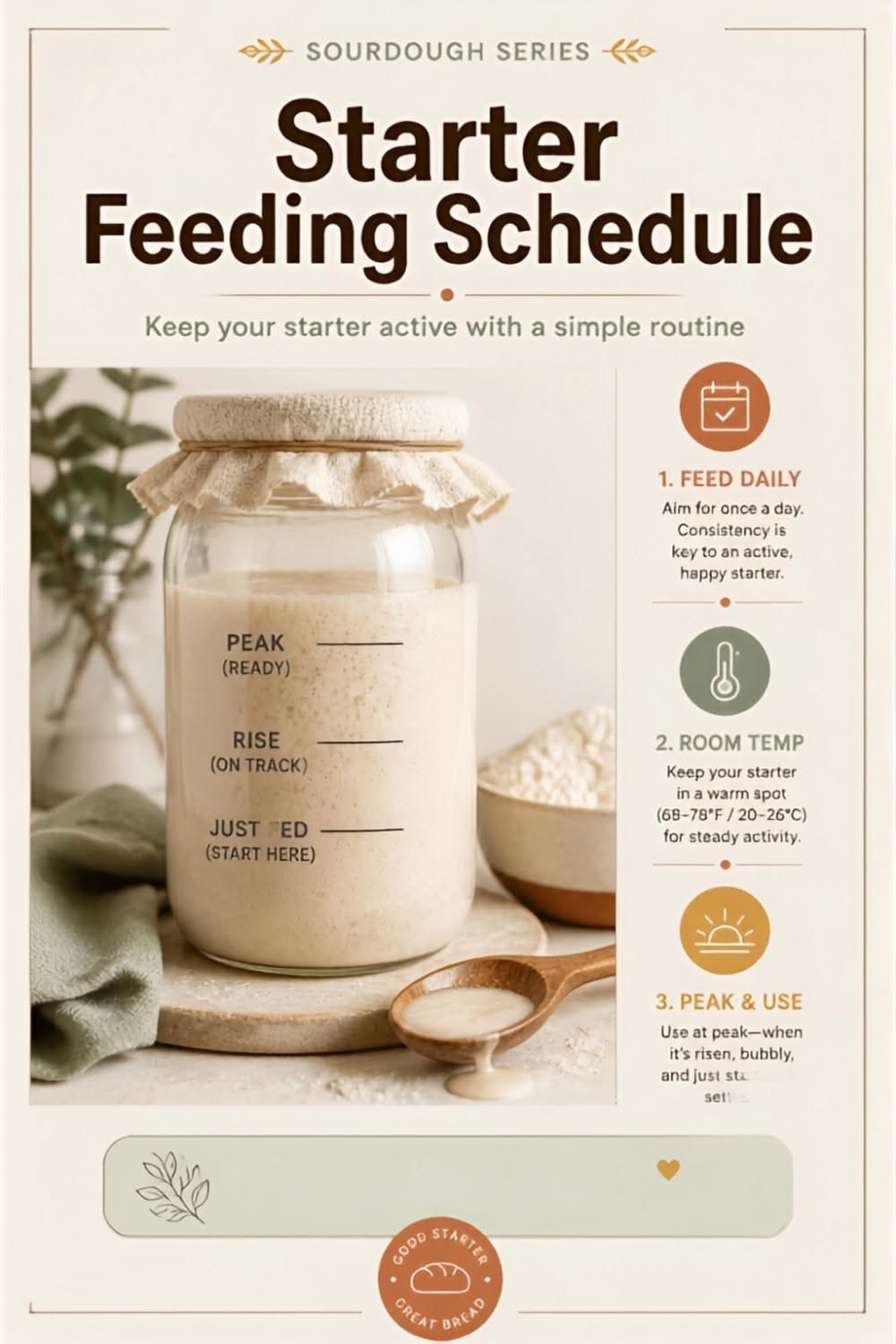
Understanding the fundamental schedule and ideal conditions for your sourdough starter is crucial. This foundational knowledge helps maintain an active culture, setting you up for successful baking, especially when adjusting to warmer climates where activity can accelerate.
Source: View on Pinterest ↗
2. Recognizing a Healthy, Active Starter
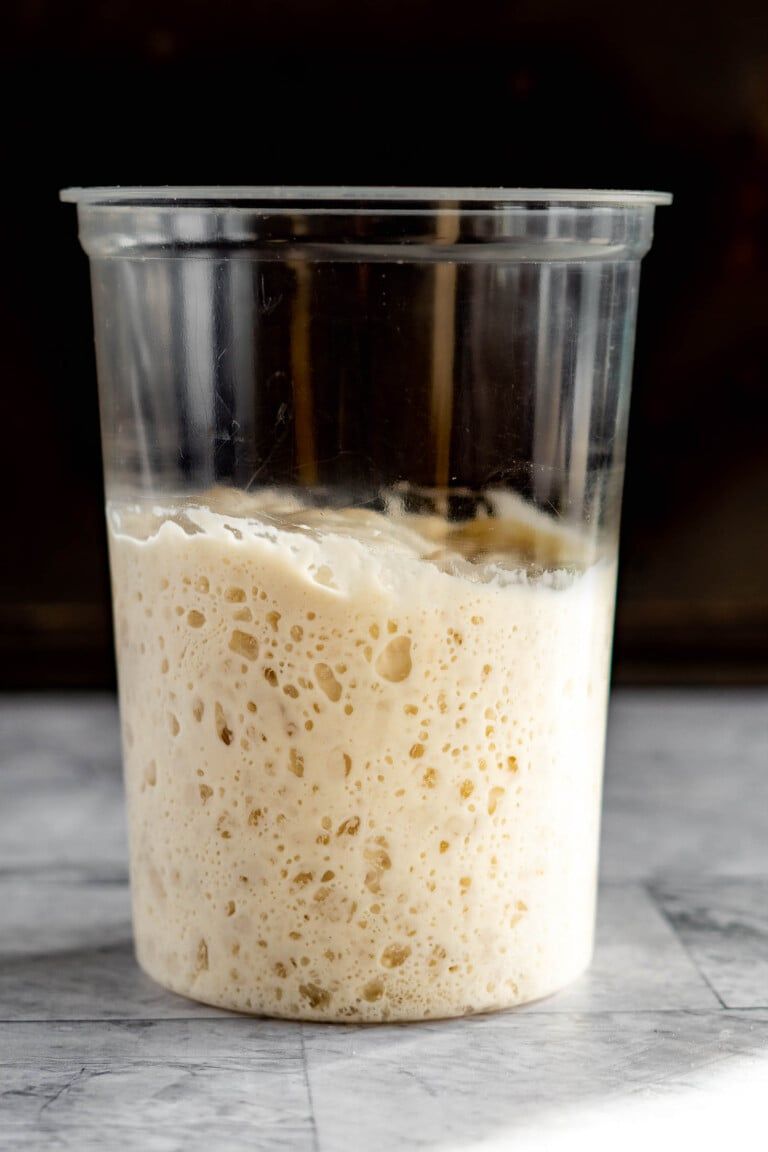
Understanding what a properly active sourdough starter looks like is key to successful baking, especially when adjusting feeding to warm, humid conditions. When it’s bubbly and risen, it signals readiness for use or a feeding.
Source: View on Pinterest ↗
3. Adjusting Ratios for Stiff Sourdough Starter
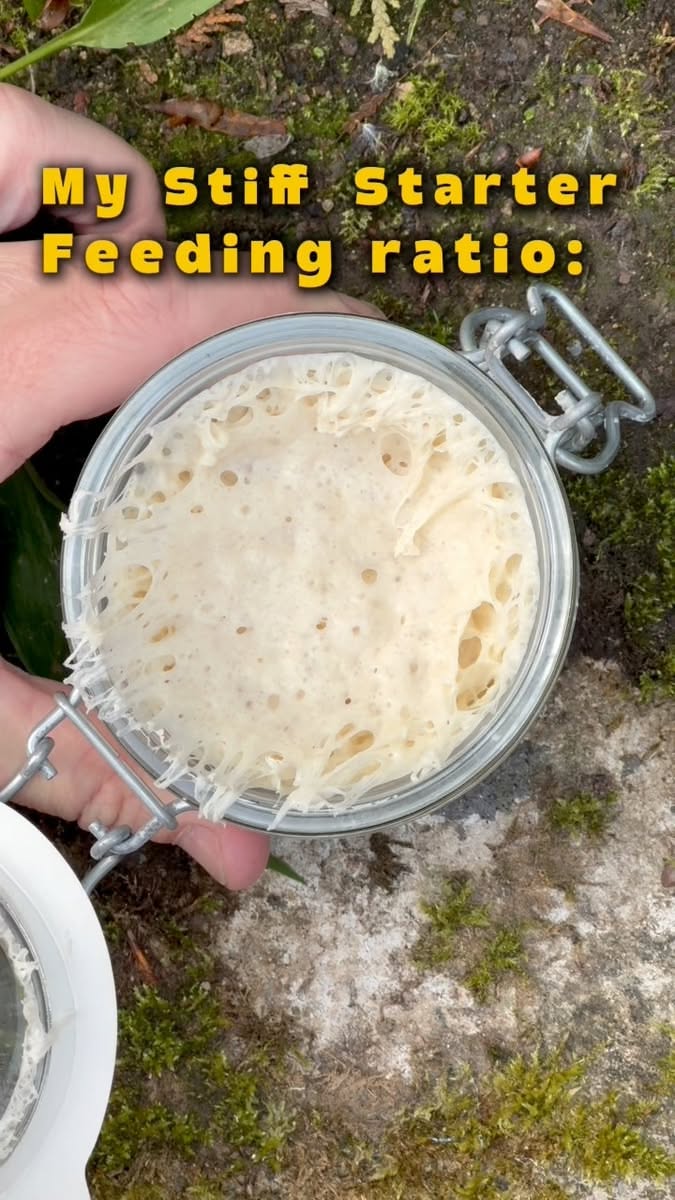
A stiffer sourdough starter uses less water and more flour, which can slow down fermentation. This technique is especially useful in hot, humid conditions to prevent your starter from over-fermenting too quickly between feedings, offering more control over its activity.
Source: View on Pinterest ↗
4. Optimizing Ratios for Hot Kitchens
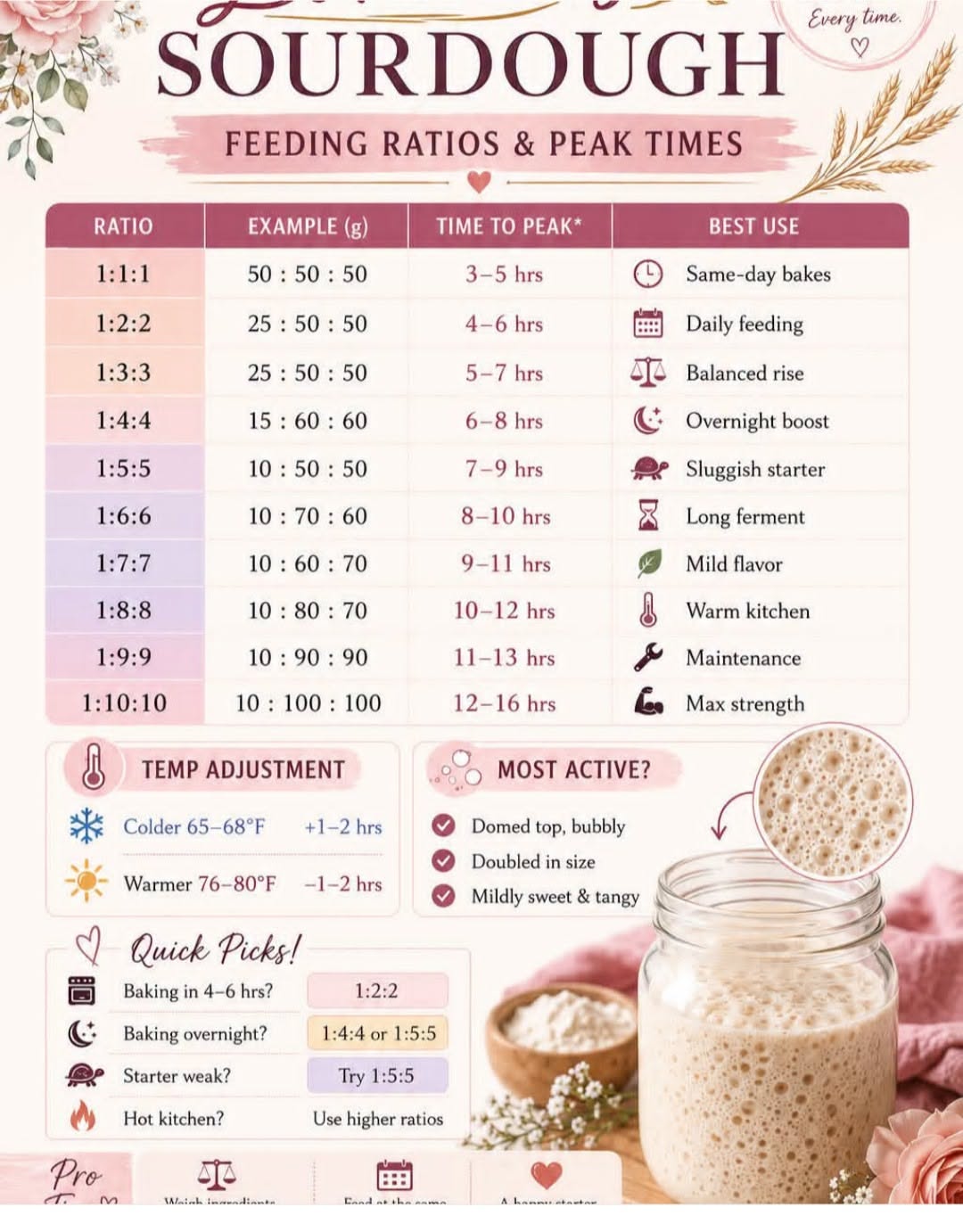
Understanding how different feeding ratios impact your sourdough starter’s peak times is crucial. In a warm kitchen, using higher ratios helps slow fermentation, ensuring your starter doesn’t peak too quickly and remains active for longer before baking.
Source: View on Pinterest ↗
5. Warm Climate Feeding Chart for Sourdough
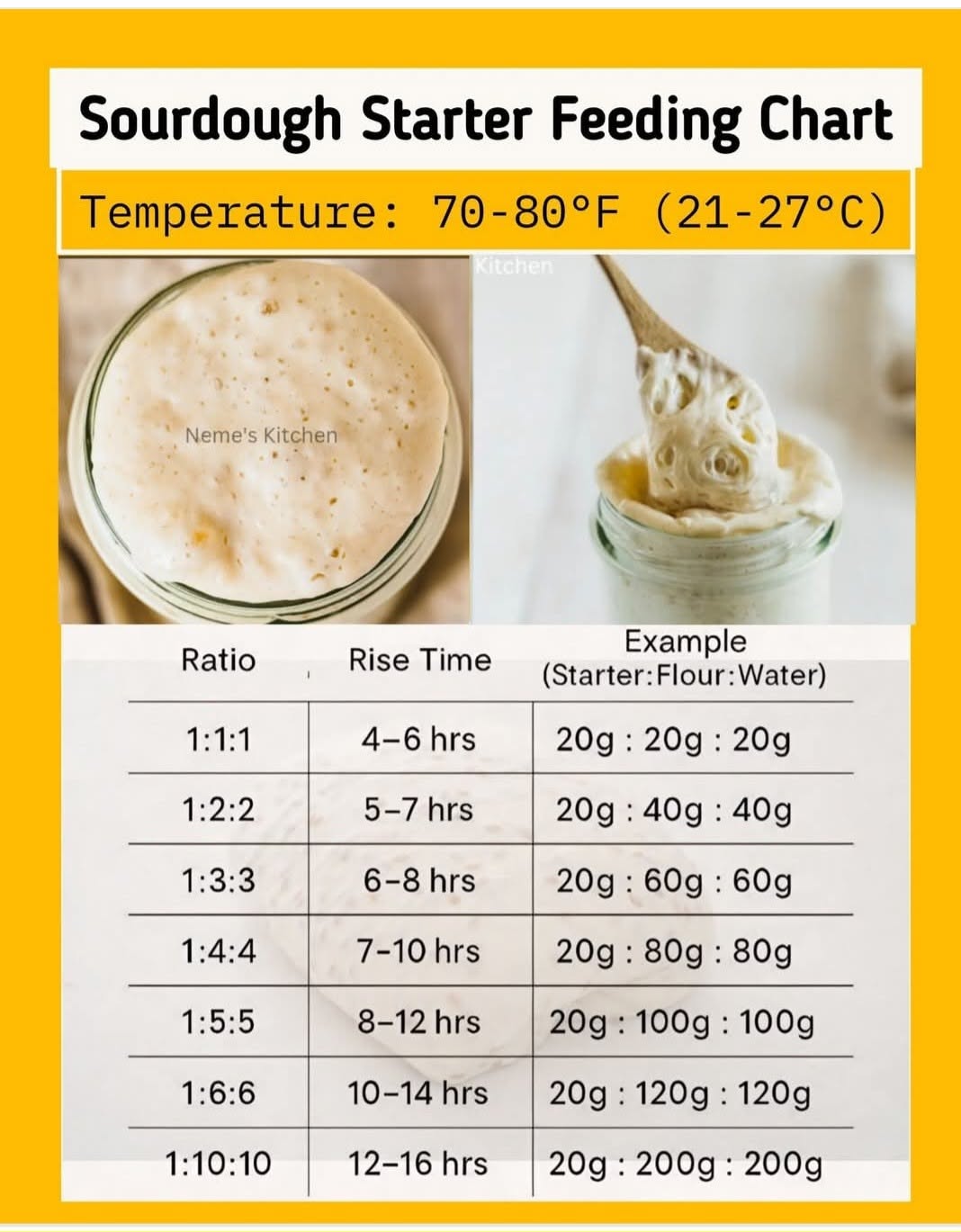
Understanding how different feeding ratios affect your sourdough starter’s rise time is essential. This chart helps bakers choose the right ratio to manage starter activity effectively, especially in environments where warmer temperatures accelerate fermentation.
Source: View on Pinterest ↗
6. Signs of a Healthy, Active Starter
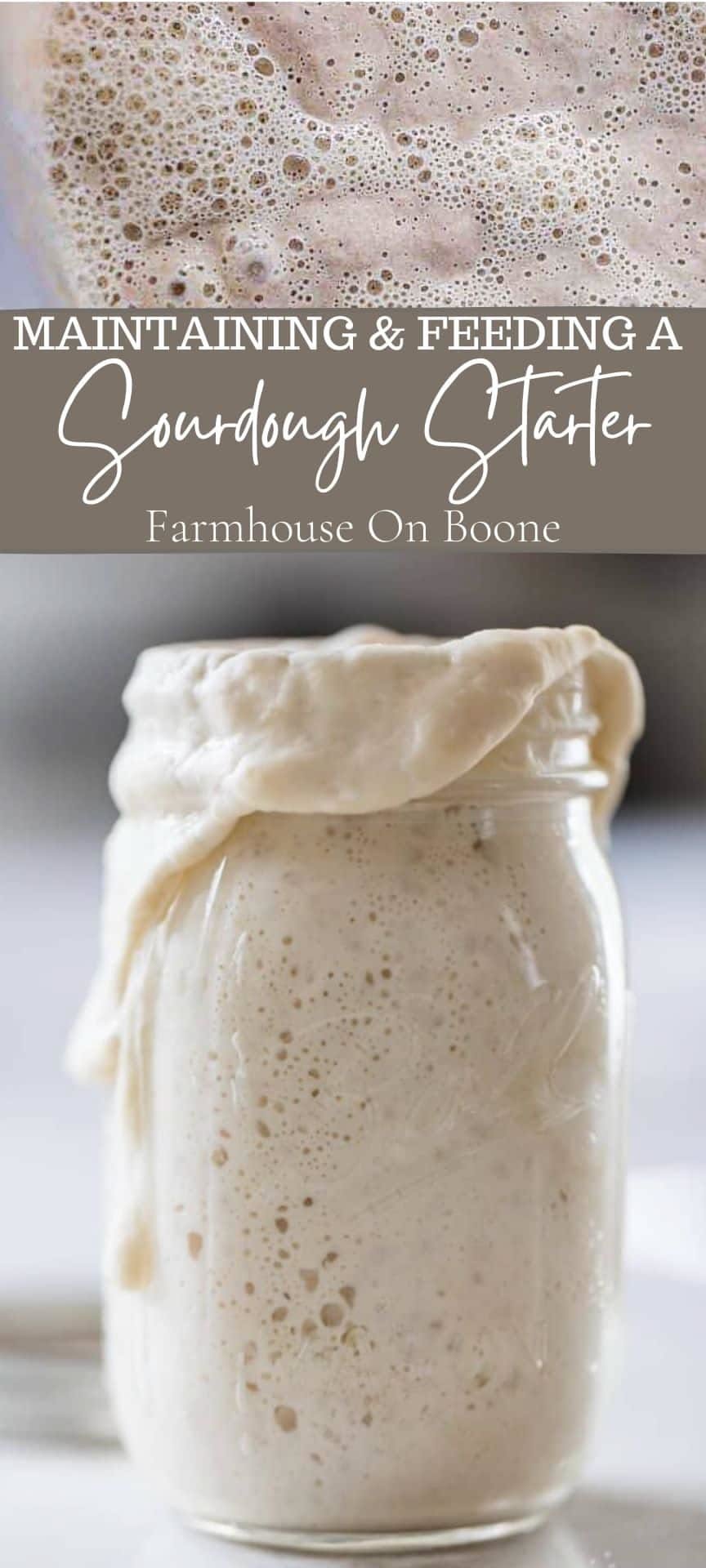
Understanding what a healthy, active starter looks like is key to knowing when it’s ready for baking, especially in conditions where it might ferment faster. Look for abundant bubbles and a noticeably increased volume to gauge its readiness.
Source: View on Pinterest ↗
7. Starter Feeding Ratios for Desired Fermentation Time
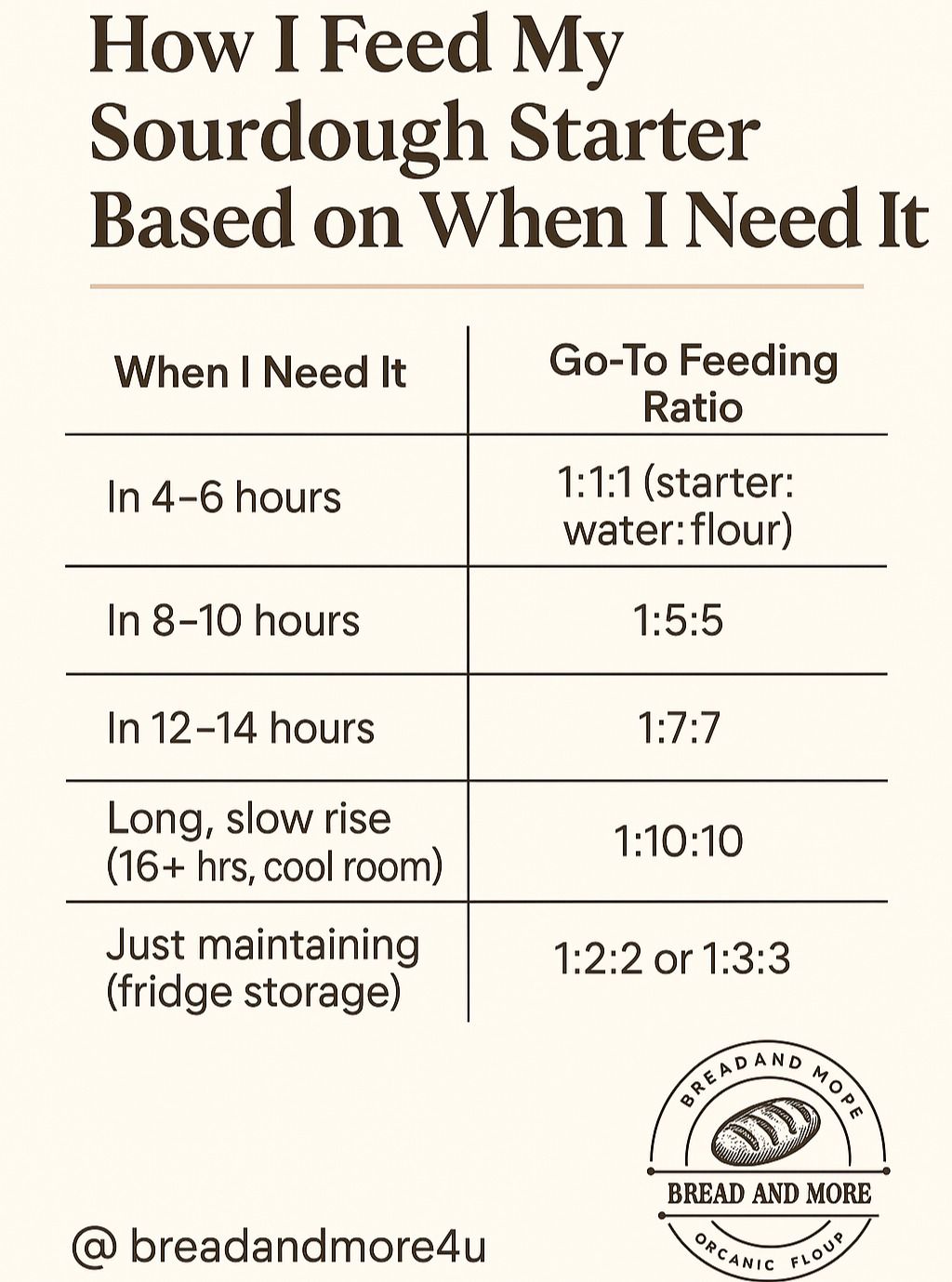
Understanding starter feeding ratios is essential for managing your sourdough’s activity. Different ratios allow you to control how quickly your starter becomes active, ensuring it’s ready precisely when you need it for baking.
Source: View on Pinterest ↗
Conclusion
Start by tracking how long your starter takes to double after its next feeding, then compare that timing with your baking plans. If it peaks too soon, increase the feeding ratio or try a stiffer consistency to give fermentation more runway. Small, consistent adjustments reveal the schedule your warm kitchen actually needs.
#sourdoughstarter #sourdoughfeeding #sourdoughbaking #sourdoughtips #starterfeeding #wildyeast #breadbaking #homebaking #sourdoughguide #fermentation