
Learn how to measure baking ingredients accurately with reliable tools, weight conversions, and simple techniques for consistent homemade bakes.
Learning how to measure baking ingredients accurately starts with choosing the right tool for the job. A digital scale gives dry ingredients the consistency that cups and spoons often miss, while proper leveling and liquid measuring methods keep small errors from changing a recipe. These practical guides cover gram conversions, flour handling, and the difference between dry and liquid measuring tools so each batch begins with dependable proportions.
1. Choosing the Right Measuring Tools
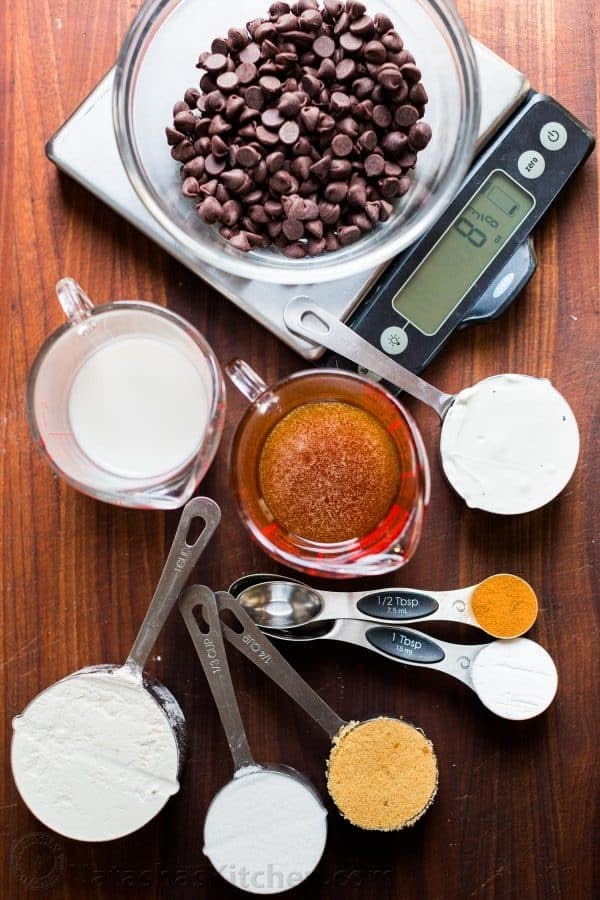
Different baking ingredients require specific measuring techniques and tools for precise results. Understanding when to use a digital scale, liquid measuring cups, or dry measuring cups ensures consistency and helps achieve the desired texture and flavor in your recipes.
Source: View on Pinterest ↗
2. Weighing Ingredients for Precision
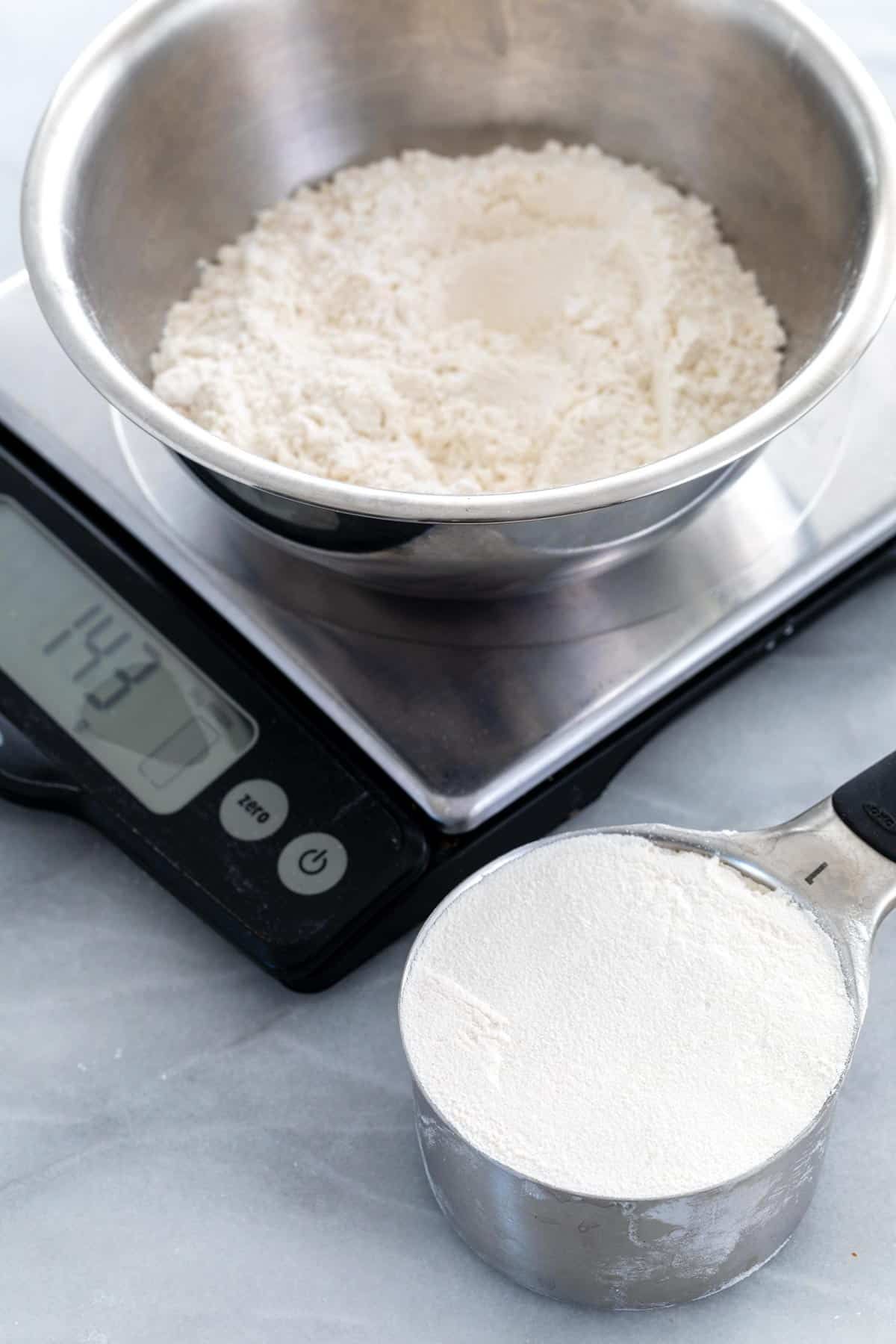
Achieve consistent baking results by using a kitchen scale for dry ingredients. This method removes the guesswork of volume measurements, ensuring recipes turn out perfectly every time.
Source: View on Pinterest ↗
3. Leveling Dry Ingredients Precisely

For exact quantities of dry ingredients like spices or baking powder, level off the measuring spoon. This simple technique ensures you’re adding the precise amount, which is critical for consistent results in baking.
Source: View on Pinterest ↗
4. Essential Weight Conversions for Baking Success

Achieving consistent results in baking often means moving beyond volume measurements. This conversion chart provides accurate gram equivalents for common ingredients, making it easier to ensure precise ratios for every recipe.
Source: View on Pinterest ↗
5. Weighing Dry Ingredients for Precision
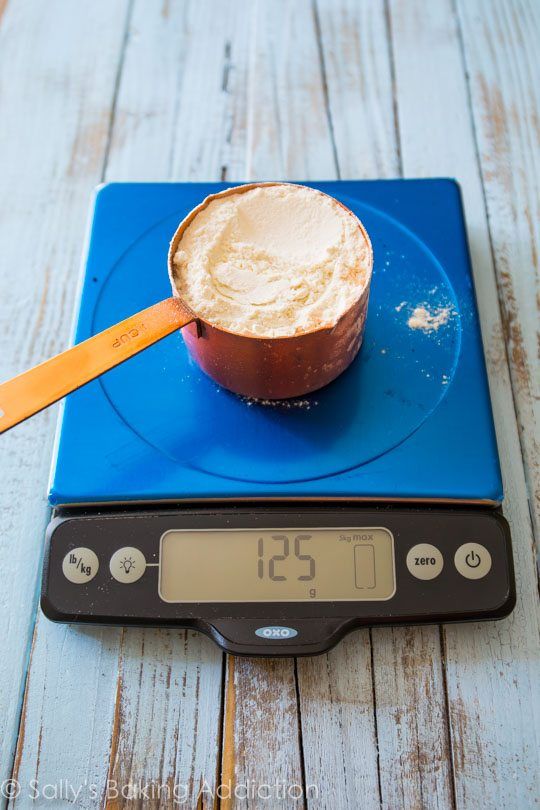
Achieving precise baking results often comes down to weight, especially for dry ingredients. Using a digital kitchen scale ensures consistent measurements, helping you avoid common pitfalls like over-packed flour for a perfectly balanced recipe.
Source: View on Pinterest ↗
6. Convert Cups and Spoons to Grams
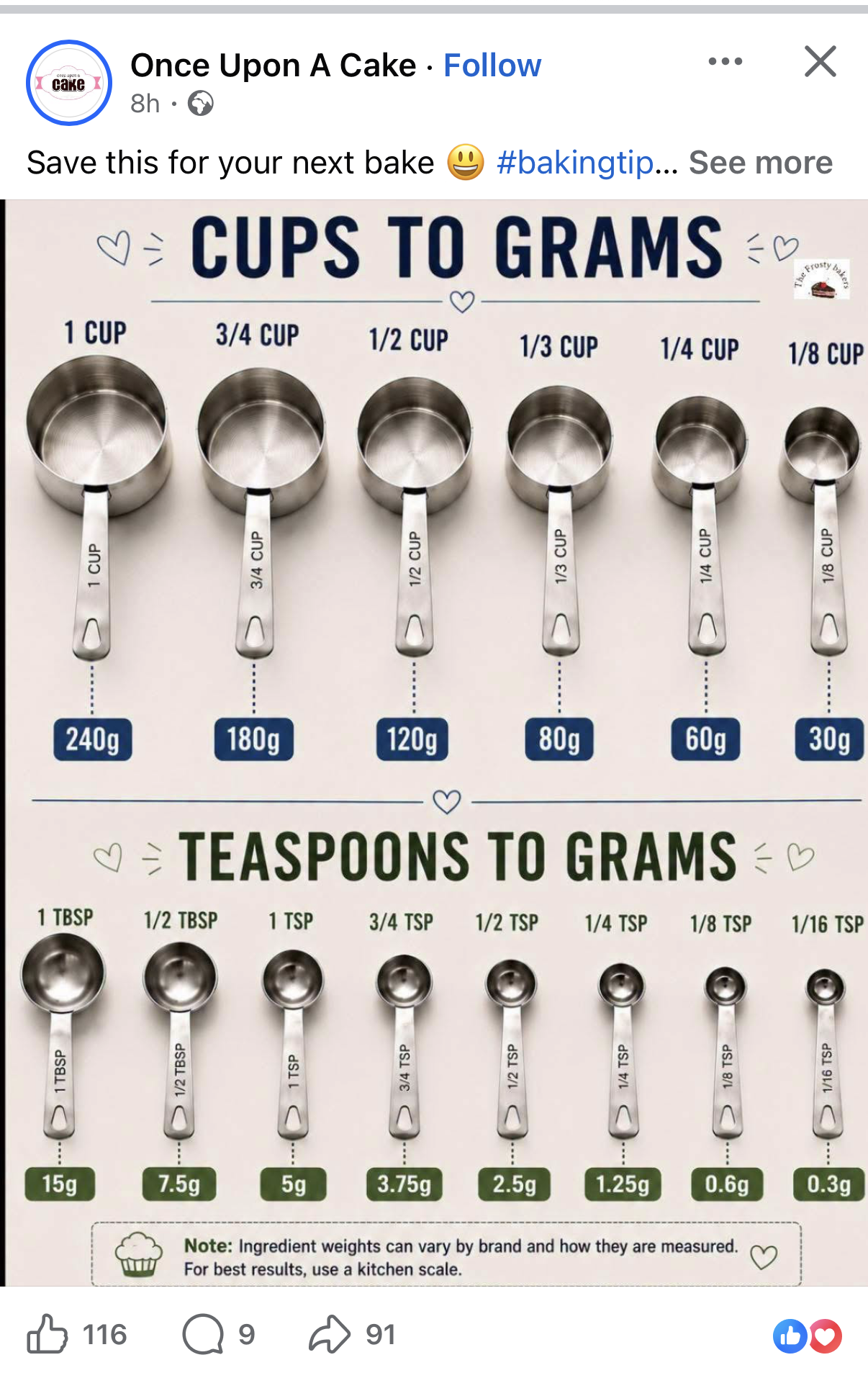
Understanding the weight equivalent of common volume measurements is crucial for precise baking. This chart offers a quick reference for converting standard cup and spoon amounts into grams, allowing for more consistent results by weight.
Source: View on Pinterest ↗
7. Flour Measurement: Weighing, Spooning, Packing Compared

Understanding how different methods of measuring flour impact its quantity is vital for consistent baking. A kitchen scale offers the most precise control, preventing common issues like dry dough from over-packed flour. Learn the differences to perfect your recipes.
Source: View on Pinterest ↗
8. Wet and Dry Ingredient Measuring Tools

Using the right measuring tools is fundamental for baking success. Dry ingredients, like flour, benefit from level scoops in nested cups, while liquids are best measured at eye level in clear graduated pitchers for precision.
Source: View on Pinterest ↗
9. Essential Cup-to-Gram Baking Conversions

Achieve consistent results in your baking by understanding how to accurately convert common ingredients from volumetric cups to precise grams. This reference helps ensure proper proportions for delicate recipes, leading to better texture and flavor every time.
Source: View on Pinterest ↗
Conclusion
Make a digital kitchen scale your default for flour, sugar, and other dry staples, then use volume tools carefully for liquids and small amounts. Keep a trusted cup-to-gram reference nearby, and check that spoons and cups are leveled before adding them to the bowl.
#bakingtips #bakingingredients #kitchenscale #bakingmeasurements #bakingconversion #homebaking #bakingscience #flourmeasurement #bakingbasics #bakingtools