
An emergency 15 minute baking substitution guide for common pantry staples can keep a recipe moving when the butter is low, an egg is missing, or the leavener has run out. The most reliable swaps do more than fill a measuring cup: they account for the original ingredient’s role in moisture, richness, acidity, or structure.
Start by identifying that role, then choose the closest pantry replacement. For simple cakes, muffins, cookies, and quick breads, a sensible substitution can save a weeknight bake without turning it into a guessing game.
In this article
Match Swaps to Baking Functions

Image credit: kerrybakes.com
Before making a swap, decide what the missing ingredient contributes. Butter adds fat and flavor; eggs help bind and set; baking powder provides lift. Replacing one with an ingredient that serves a similar purpose gives you a better chance of a familiar result.
For example, an acidified milk mixture can stand in for buttermilk in many batters, while a homemade blend of baking soda and an acid may cover for baking powder. Keep measurements precise, especially with leaveners: a small imbalance can affect both rise and taste.
Use substitutions most confidently in forgiving recipes such as muffins, snack cakes, pancakes, and quick breads. Recipes that depend on whipped eggs, laminated butter layers, or a particular sugar texture leave less room for change.
Source: Workplace Dietary Baking Substitution Cheat Sheets
Handle Spice Gaps With Restraint
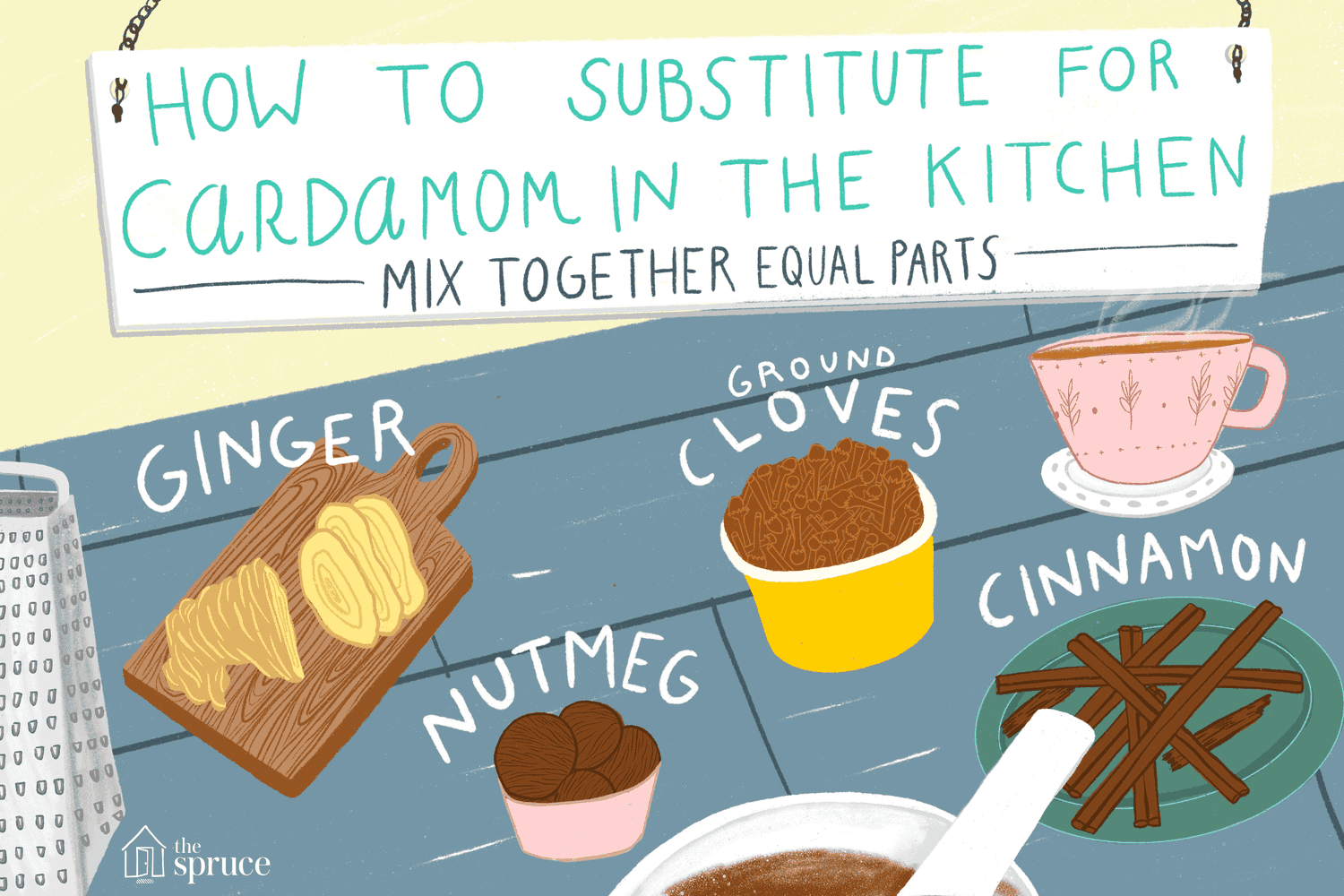
Image credit: thespruceeats.com
A missing spice rarely needs to stop a bake, but it is worth replacing its character rather than simply adding more of another seasoning. Cardamom has a warm, aromatic profile, so a small amount of cinnamon, ginger, or a restrained blend may keep a recipe balanced when cardamom is unavailable.
Begin below the listed amount and taste the batter only where it is safe to do so, or assess the dry mixture by aroma. Ground spices vary in potency, and a substitute should support the recipe’s main flavors instead of taking over.
If the spice is central to the recipe’s identity, consider choosing another bake rather than forcing a close imitation. A plain vanilla, citrus, or chocolate direction often makes better use of the ingredients already on hand.
Source: Essential Illustrated Baking Substitutions Guide
⚠️ Source unavailable — description based on the image only.
Keep a Calm Pantry Backup Plan
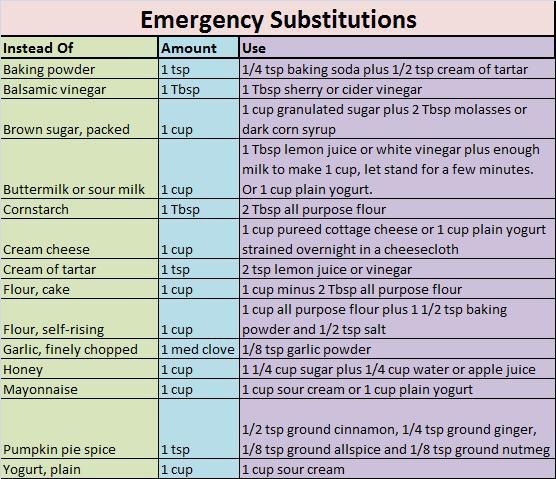
Image credit: pinterest.com
The quickest emergency baking decisions come from a short, familiar backup list. Stock a neutral oil, milk or a shelf-stable alternative, vinegar or lemon juice, baking soda, baking powder, and a few dependable flavorings. These basics cover many of the gaps that arise in everyday recipes.
Check the recipe method before committing to a swap. Melted butter and creamed butter behave differently, for instance, so oil is generally more suitable in a batter designed for liquid fat than in a cookie that relies on creaming for texture.
Write down substitutions that worked in your own recipes, including any changes to baking time or texture. That small note turns a one-off rescue into a dependable household reference for the next busy evening.
Source: Substitutions
⚠️ Source unavailable — description based on the image only.
Make a small substitution note for the recipes your household bakes most often, starting with the ingredients that disappear fastest. Then check your leaveners and spices before baking: freshness matters as much as the replacement you choose.
For an immediate fix, select one swap that matches the missing ingredient’s job, measure carefully, and choose a forgiving recipe if the result needs flexibility.
FAQ
Can I substitute oil for butter in baking?
Often, especially in cakes, muffins, and quick breads. Oil adds fat but not butter’s flavor or water content, so the texture may be softer and more moist. It is less suitable for recipes that rely on creamed butter.
What can replace buttermilk in a recipe?
A common option is milk combined with an acid such as lemon juice or vinegar, then left briefly to curdle. Use it in recipes where buttermilk provides moisture and acidity.
Can baking soda replace baking powder?
Only if the recipe also has enough acid to activate the soda. Baking powder contains both an alkali and acid, so a direct one-for-one swap is not dependable.