
Learn how to bake pie crust in humid weather without soggy bottom results using smart prep, blind baking, and heat-control techniques.
High humidity can soften pie dough before it reaches the oven and leave the bottom crust pale, damp, or underbaked. The fix is a sharper baking strategy: build structure before adding filling, limit trapped steam, and give the base enough direct heat to turn crisp and golden. These methods focus on protecting the pastry from moisture at each stage, from preparing the shell to baking pies with especially wet fillings. Use the approach that suits your recipe, then adjust baking time until the crust is fully set.
1. Seal the Crust to Prevent Soggy Bottoms
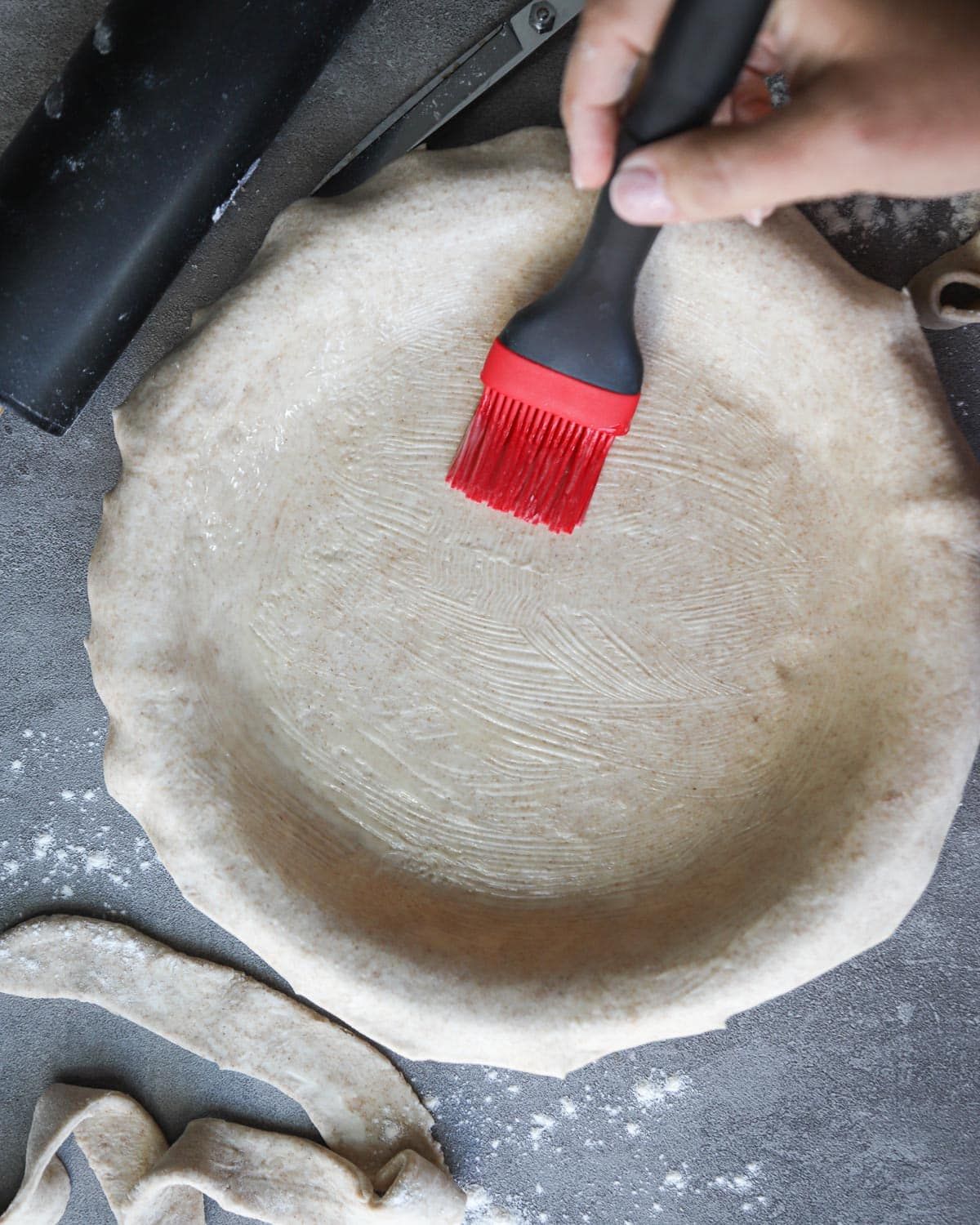
Brushing a protective layer onto your pie crust is a smart first step, especially when humidity threatens to make it soggy. This barrier helps keep moisture from penetrating the dough, ensuring a crisp, flaky result even in challenging conditions.
Source: View on Pinterest ↗
2. Blind Baking for Crisp Pie Crusts

Blind baking your pie crust creates a barrier between the filling and the pastry, preventing moisture from making the bottom soggy. This crucial step is particularly helpful in humid conditions, ensuring a firm and flaky foundation for your pie.
Source: View on Pinterest ↗
3. Par-Baking Pie Shells for Structure
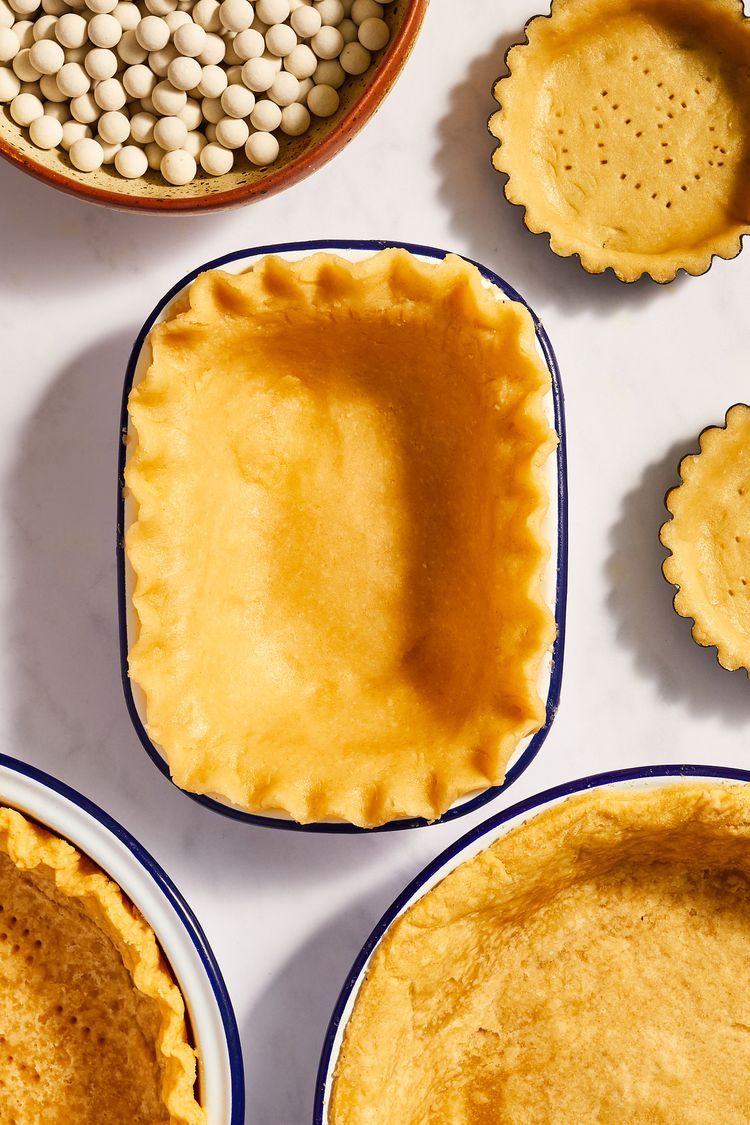
Pre-baking pie shells, also known as par-baking, creates a firmer foundation for your pie filling. This crucial step helps prevent sogginess, especially when dealing with the added moisture of humid conditions.
Source: View on Pinterest ↗
4. Blasting for a Crisp Pie Crust Bottom
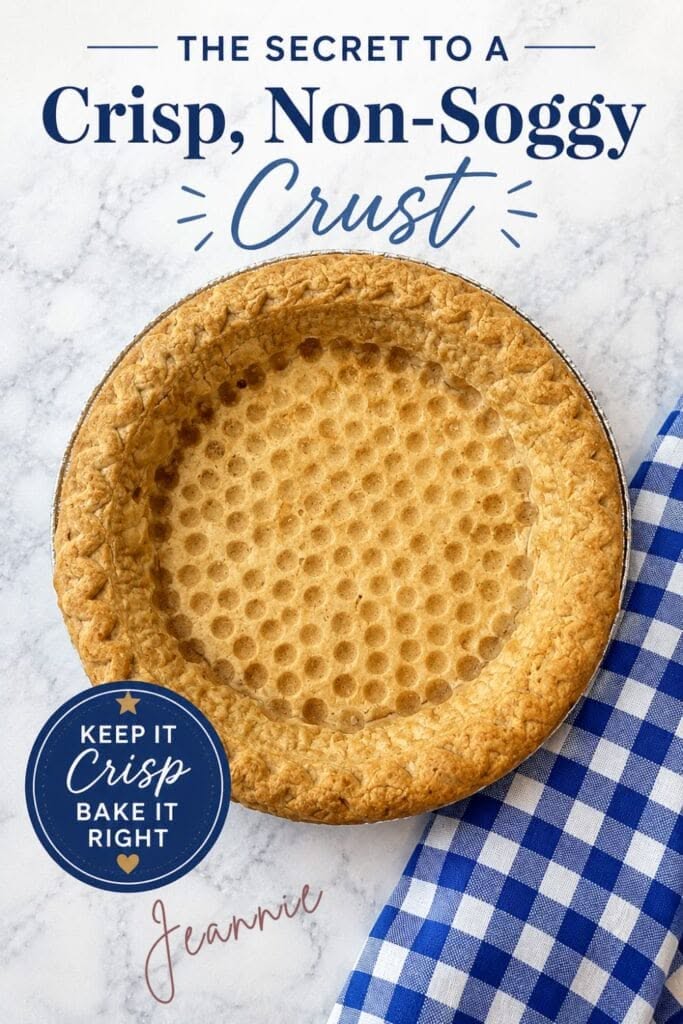
Achieving a perfectly crisp, non-soggy pie crust, especially in humid conditions, often requires pre-baking or ‘blasting’ the shell. This method ensures the bottom is firm and golden brown before filling, helping prevent moisture from turning it soft.
Source: View on Pinterest ↗
5. Docking Pie Crust for Even Baking
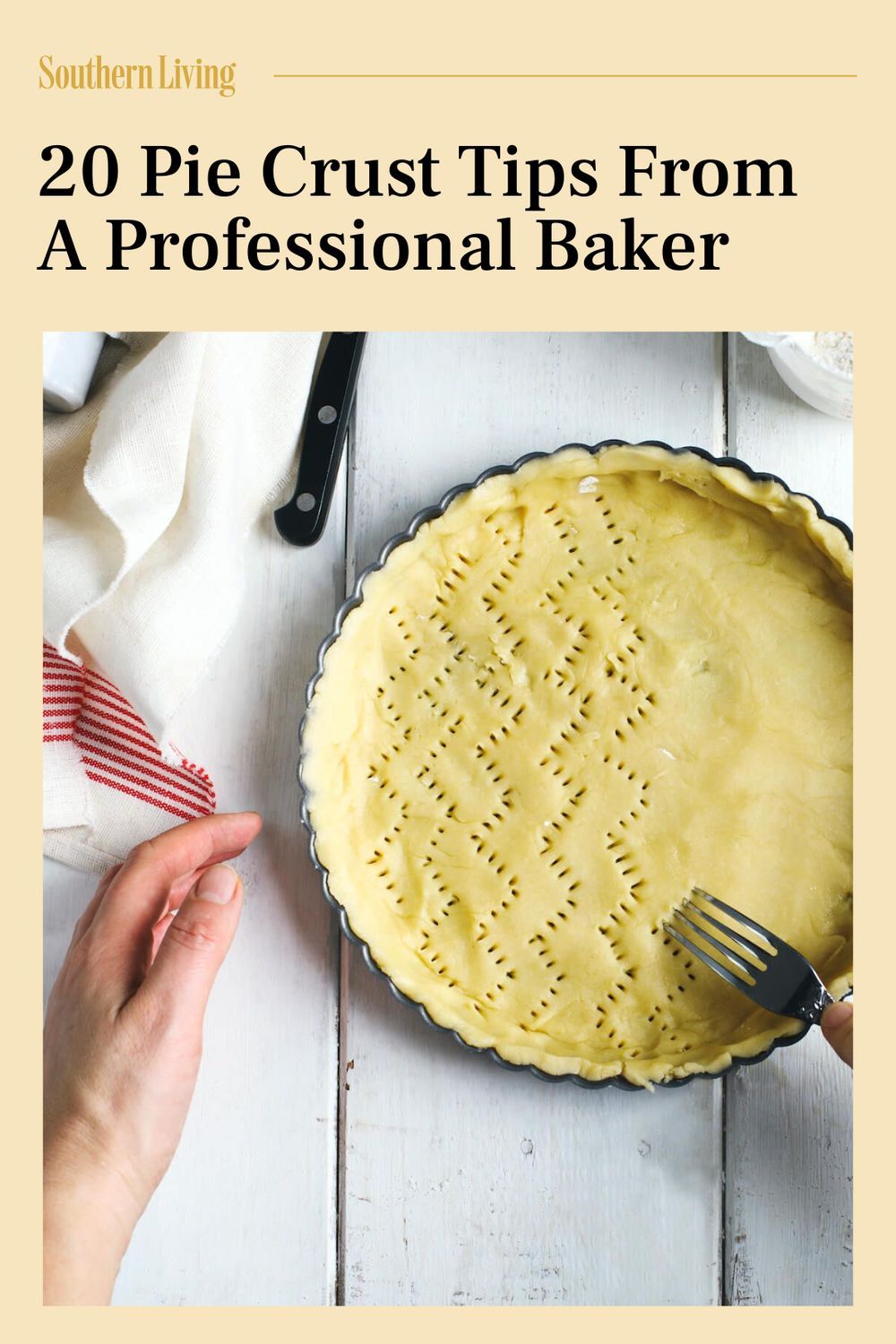
Pricking holes in the dough before baking, a technique known as docking, helps steam escape. This prevents the crust from puffing up unevenly and ensures a crisp, flat bottom, especially important for custard or no-bake fillings.
Source: View on Pinterest ↗
6. Achieving a Fully Baked Pie Crust
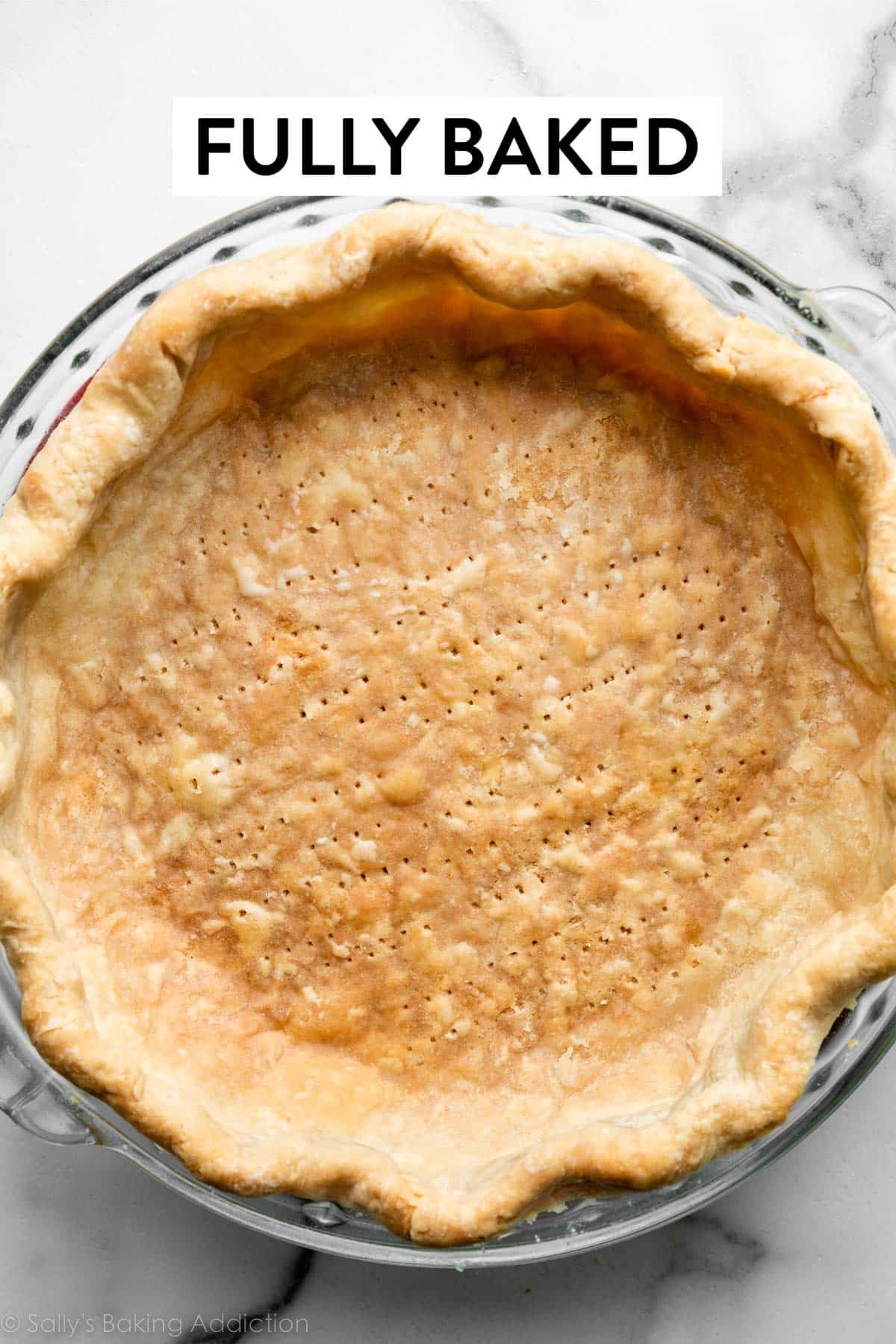
For pies with wet fillings, par-baking or blind-baking the crust until golden brown is a critical step. This technique creates a protective barrier, preventing moisture from seeping into the dough and making it soggy, especially in humid conditions.
Source: View on Pinterest ↗
7. Blind Baking for a Crisp Crust

Blind baking forms a protective barrier for your pie crust, preventing it from absorbing moisture from fillings. This technique helps ensure a golden, crisp bottom, even when humidity is high.
Source: View on Pinterest ↗
Conclusion
Start by choosing blind baking or par-baking for any pie with a wet filling, and bake the shell until it has real color rather than stopping at pale. Keep the finished pie on a rack so steam can escape underneath; cutting too soon can soften even a well-baked bottom crust.
#piecrust #bakingtips #blindbaking #parbaking #homemadepie #applepie #bakingscience #pastrytips #humidweatherbaking #piecrusttips