
How to fix weak sourdough starter with cheap grocery store flour usually comes down to a steady routine, not an expensive bag of flour. A basic unbleached all-purpose flour can maintain a healthy culture if you feed by weight, keep the mixture at a workable consistency, and give it enough warmth and time to ferment.
Start by checking for bubbles, a pleasantly tangy aroma, and any rise after feeding. A starter may be slow because it is cold, underfed, overly diluted, or simply still maturing. Work through one adjustment at a time so you can tell what helps.
In this article
Reset the Feeding Routine
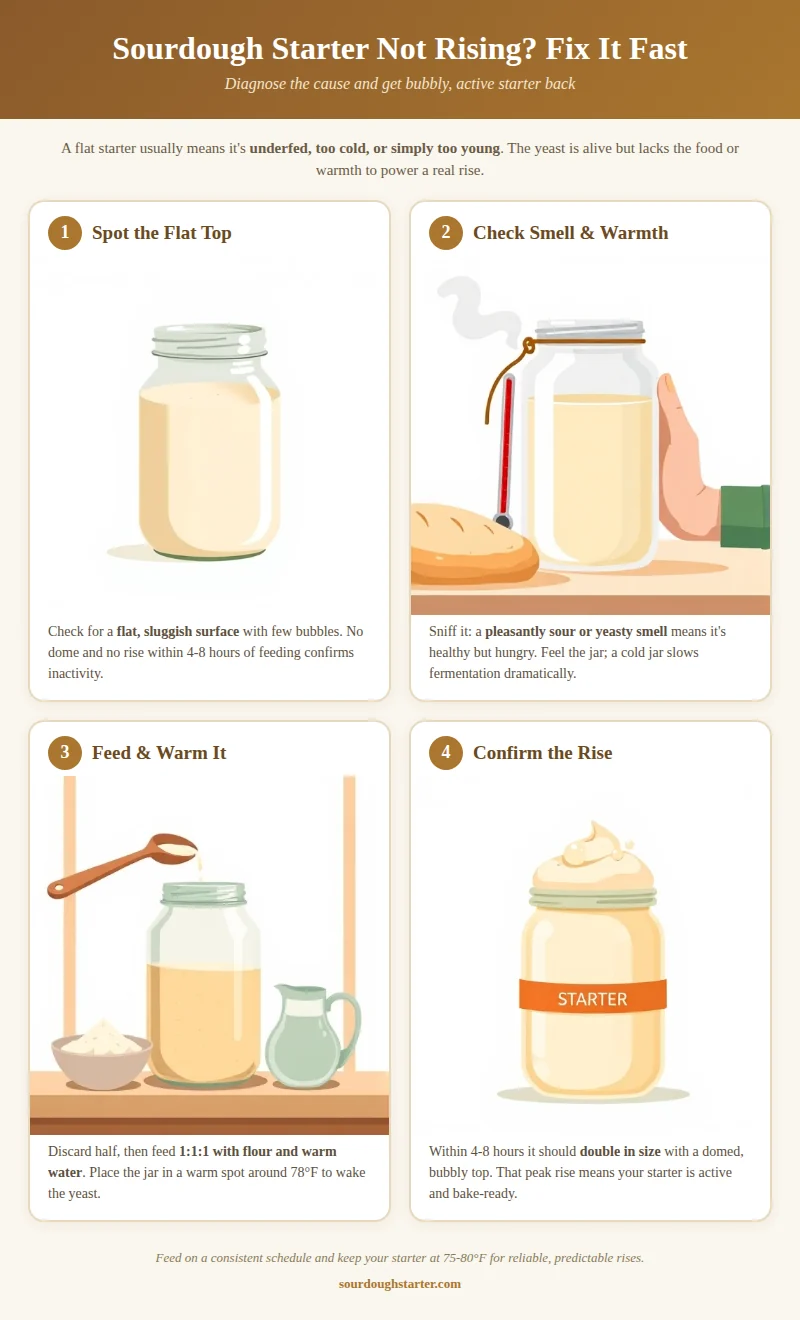
Image credit: sourdoughstarter.com
A weak starter benefits from a simple reset. Keep a small amount of starter and feed it with equal weights of water and flour; 20 grams starter, 20 grams water, and 20 grams flour is an easy amount to manage. Using a scale removes the guesswork that can come from measuring flour by volume.
For a starter that smells sharply acidic or has been sitting unfed, use a larger refreshment such as 1 part starter to 2 parts water and 2 parts flour. Mark the starting level on the jar, then watch for movement rather than expecting an immediate dramatic rise.
Cheap supermarket flour is not automatically the problem. Choose unbleached flour if it is available, keep the routine consistent for several feedings, and avoid changing flour, ratio, and temperature all at once.
Source: Sourdough Starter Not Rising – 5 Fixes That Work
Make One Change at a Time
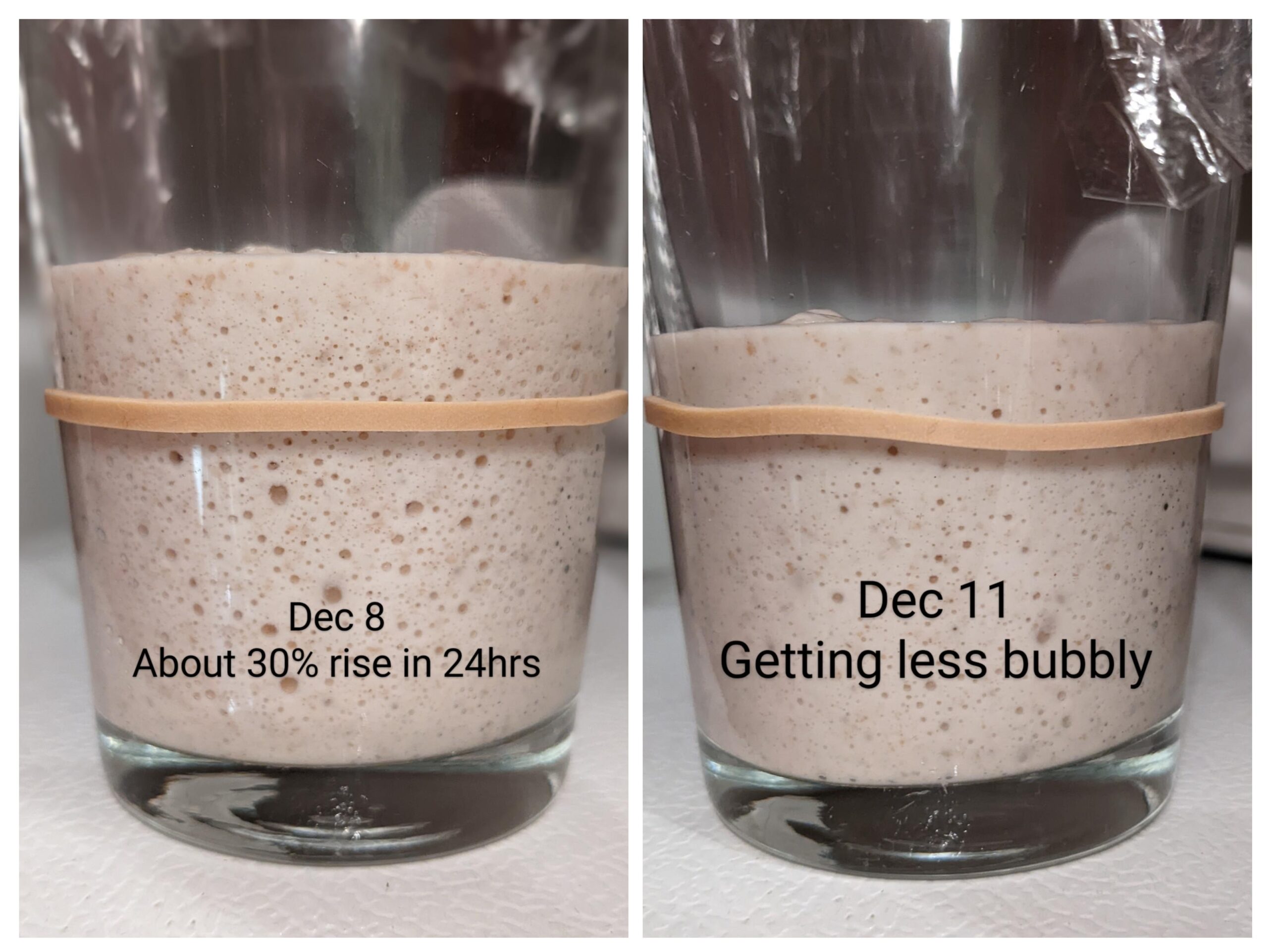
Image credit: reddit.com
When a starter seems sluggish, it is tempting to try several fixes in a single day. That makes it hard to know whether the issue was hunger, temperature, hydration, or timing. Pick one dependable feeding ratio and repeat it for a few cycles before judging the result.
Keep notes on the time of feeding, the room temperature, the amount of rise, and the aroma. A culture that rises slowly but predictably is progressing; it does not need to double on a rigid schedule to be alive.
If the starter has no bubbles, no sour aroma, or signs of mold, do not try to rescue it for baking. Discard it and clean the container before beginning again.
Source: Cannot get sluggish starter to double after over a month of feedings : r/ Sourdough
⚠️ Source unavailable — description based on the image only.
Use Flour That Fits Your Diet
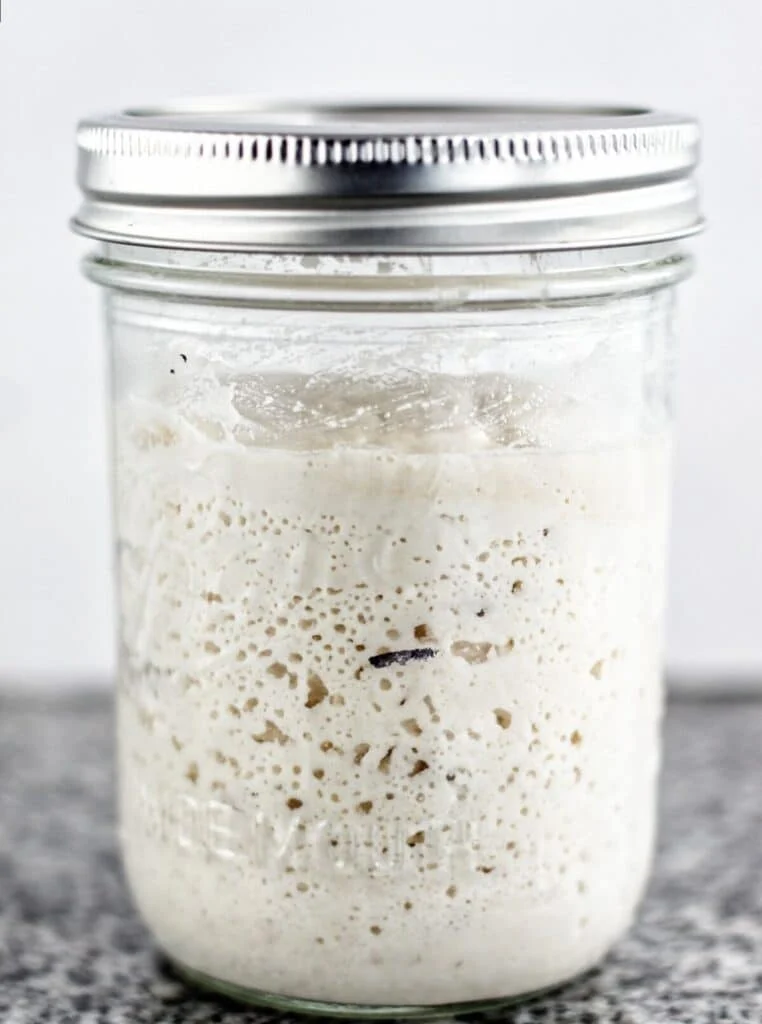
Image credit: letthemeatgfcake.com
A gluten-free starter needs flour that is suitable for gluten-free baking, while a wheat-based starter responds to wheat flour. Do not assume a standard all-purpose flour is interchangeable if you are maintaining a gluten-free culture.
For a conventional starter, budget unbleached all-purpose flour is a sensible baseline because it is easy to find and easy to use consistently. If activity remains modest after several regular feedings, mixing in a small portion of whole wheat or rye flour can provide a useful comparison without abandoning the grocery-store-flour approach.
Keep the flour choice stable long enough to observe its effect. Frequent switches can create more confusion than improvement.
Source: Easy Gluten Free Sourdough Starter – Let Them Eat Gluten Free Cake
Aim for a Spoonable Texture

Image credit: allrecipes.com
Starter texture affects how clearly you can read its activity. At equal weights of flour and water, the mixture should be thick enough to hold bubbles but loose enough to stir without effort. It may look more like a soft batter than kneadable dough.
Too much water can make rise difficult to see because gas escapes through a thin mixture. Too little water can slow fermentation and leave dry flour around the sides of the jar. Stir thoroughly, scraping down the sides so the fresh flour is fully hydrated.
Use the same container and a level marker for a few feedings. A visible rise line gives more useful feedback than appearance alone.
Source: Chef John’s Sourdough Starter
⚠️ Source unavailable — description based on the image only.
Test a Whole-Grain Boost
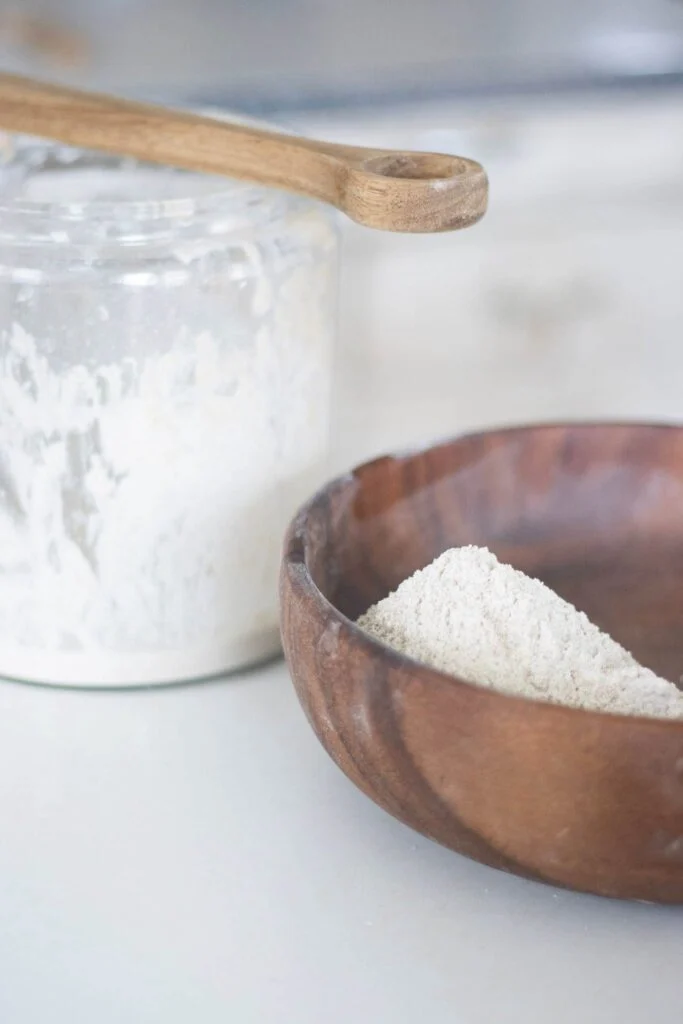
Image credit: therosehomestead.com
A small whole-grain addition can be useful when an all-purpose-flour starter is alive but lacks momentum. Replace part of a regular feed with whole wheat or rye flour if your grocery store carries it, while leaving the rest of the feed as your inexpensive everyday flour.
That does not mean every starter needs specialty flour indefinitely. Think of it as a short troubleshooting trial: feed consistently, observe the rise and bubbles, then decide if the added flour is helping.
Different flours absorb water differently. If the blend becomes unusually stiff, add water gradually until it returns to a thick, spoonable consistency.
Source: Fresh Milled Sourdough Starter Troubleshooting Guide – The Rose Homestead
Give Fermentation Gentle Warmth
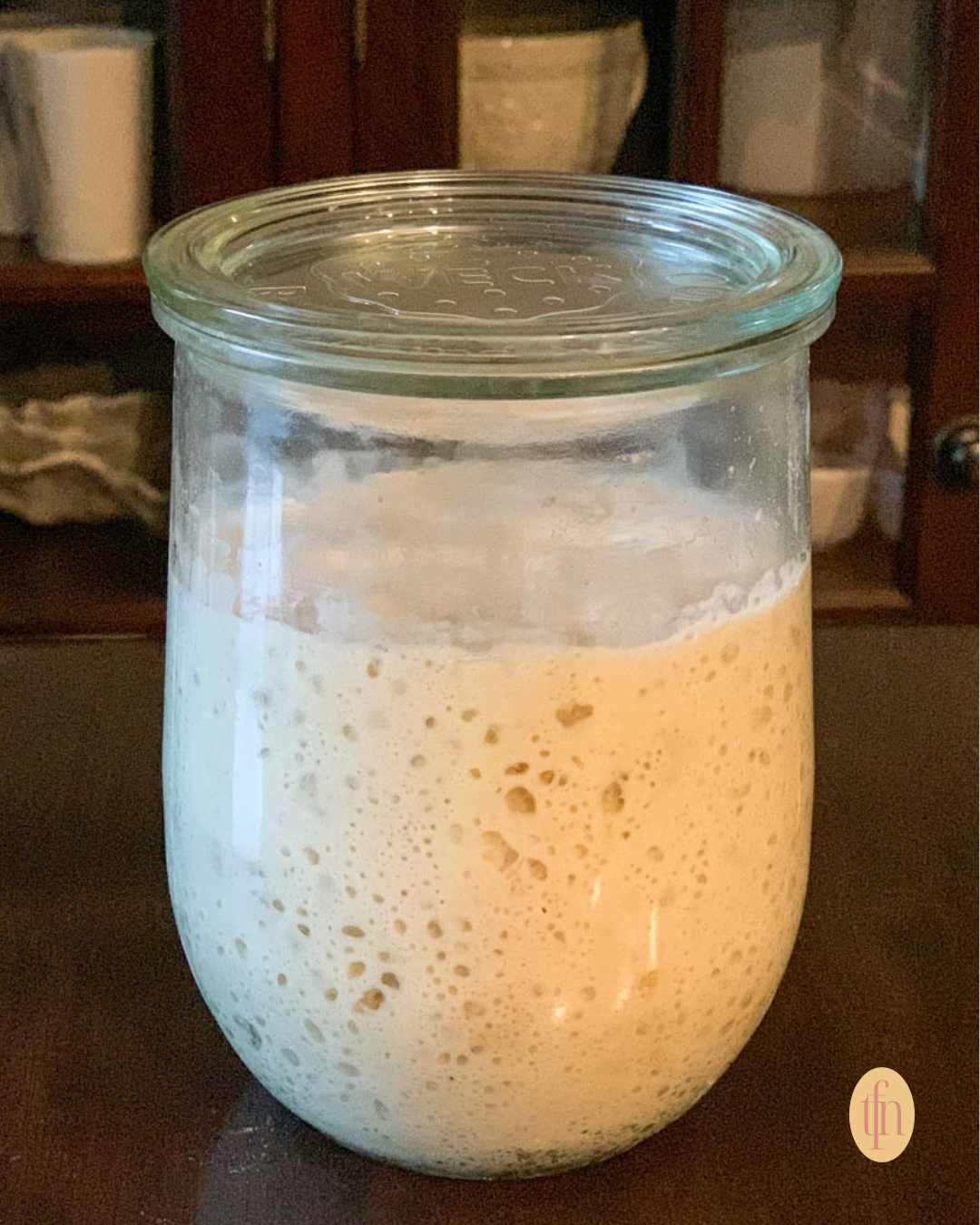
Image credit: thefeatherednester.com
Temperature often explains a starter that appears inactive. A cool kitchen can lengthen the time between feeding and peak activity, even if the flour and feeding ratio are sound. Move the jar to a gently warm, stable location away from direct heat.
A cupboard near, not on, a warm appliance may help. Avoid hot surfaces or enclosed spaces that become overly warm, since excessive heat can stress the culture and make results less predictable.
Once the starter begins rising reliably, feed it around its peak or after it has begun to fall. This helps match the feeding schedule to its actual pace rather than to the clock.
Source: Troubleshooting Sourdough Starter – Why your starter is not rising
Read the Signs of Recovery
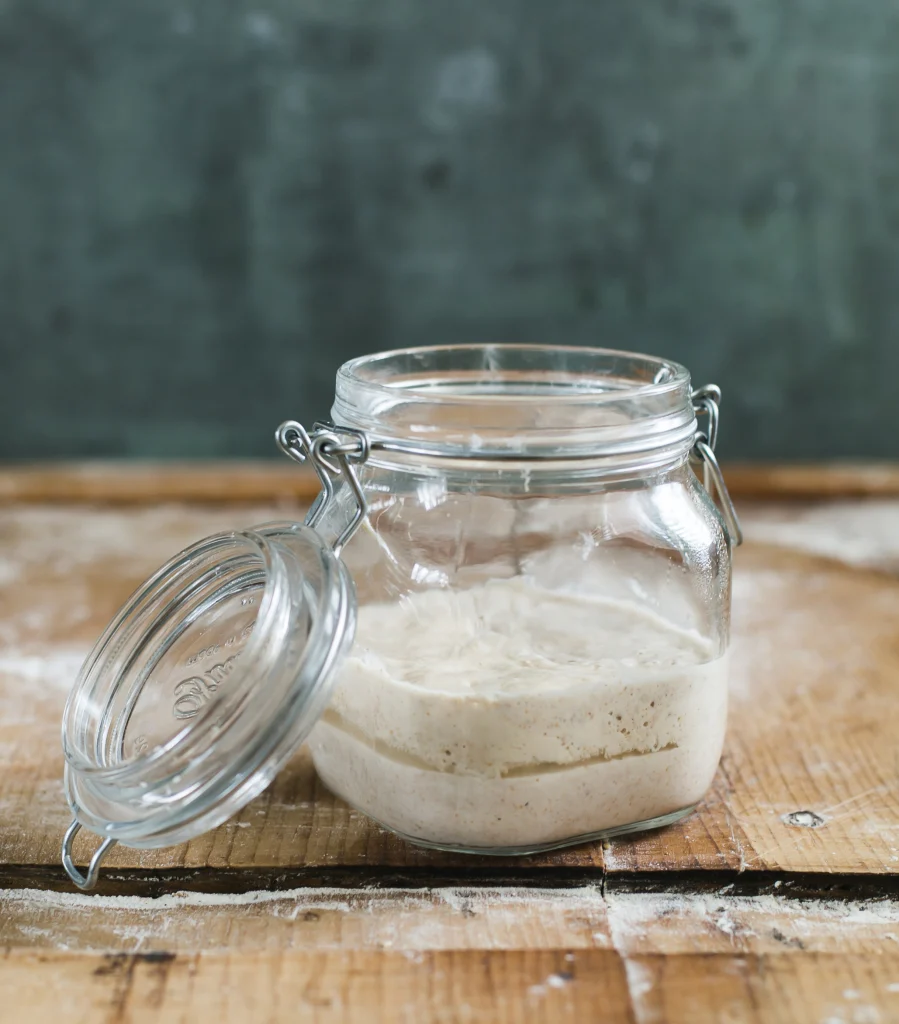
Image credit: theclevercarrot.com
Recovery is usually gradual. Fine bubbles throughout the mixture, a rounded top after feeding, a cleaner tangy scent, and a measurable rise are stronger signs than a single dramatic burst of activity.
Young starters can have an early period of bubbling followed by a quiet stretch as the microbial balance develops. Continue regular feedings instead of assuming the culture has failed after a few slow days.
Before using it in dough, look for repeated performance across several feedings. A starter that rises in a consistent pattern is easier to bake with than one that only occasionally looks lively.
Source: Troubleshooting Your Sourdough Starter – The Clever Carrot
Check Water and Feeding Timing

Image credit: delish.com
Flour is only one part of the system. If a starter stays weak despite a consistent feed, consider the water and schedule. Use water that is comfortable to the touch rather than hot, and avoid repeatedly feeding long before the culture has had time to show activity.
If your tap water has a strong odor or you suspect it may be affecting fermentation, try a small side test with filtered water for a few feedings. Keep every other variable the same so the comparison is meaningful.
A starter that develops a few bubbles but does not yet rise much may simply need more time in a warmer spot. Patience and repeatable care are usually more useful than adding extra flour at random.
Source: Why Your Sourdough Starter Isn’t Starting (And How To Fix It)
For your next feed, weigh a small portion of starter and give it an equal-weight flour-and-water refreshment in a clean, marked jar. Keep it gently warm, then record how long it takes to bubble and rise.
Repeat that same routine for a few feedings before making another adjustment. If progress stalls, test one variable—such as a partial whole-grain feed or different water—while keeping your affordable grocery-store flour as the dependable base.
FAQ
Can cheap grocery store flour revive a weak sourdough starter?
Yes. Unbleached all-purpose flour can support a starter well when feedings, temperature, hydration, and timing are consistent.
What feeding ratio should I use for a weak starter?
Start with equal weights of starter, water, and flour. If it is very acidic or has been neglected, try 1 part starter to 2 parts water and 2 parts flour.
Why does my starter have bubbles but not rise?
It may be too thin, too cool, or still developing. Use a thick, spoonable consistency, mark the jar level, and allow more time at a gently warm temperature.
Should I feed a weak starter twice a day?
Only if it is fermenting quickly enough to reach or pass its peak between feedings. A cool or young starter may need more time, not more frequent feeding.
Image sources
-
Cannot get sluggish starter to double after over a month of feedings : r/ Sourdough
-
Easy Gluten Free Sourdough Starter – Let Them Eat Gluten Free Cake
-
Fresh Milled Sourdough Starter Troubleshooting Guide – The Rose Homestead
-
Troubleshooting Sourdough Starter – Why your starter is not rising
-
Why Your Sourdough Starter Isn’t Starting (And How To Fix It)